Aluminum vs steel roofing: choose the best 2026 option
Aluminum vs steel roofing: choose the best 2026 option
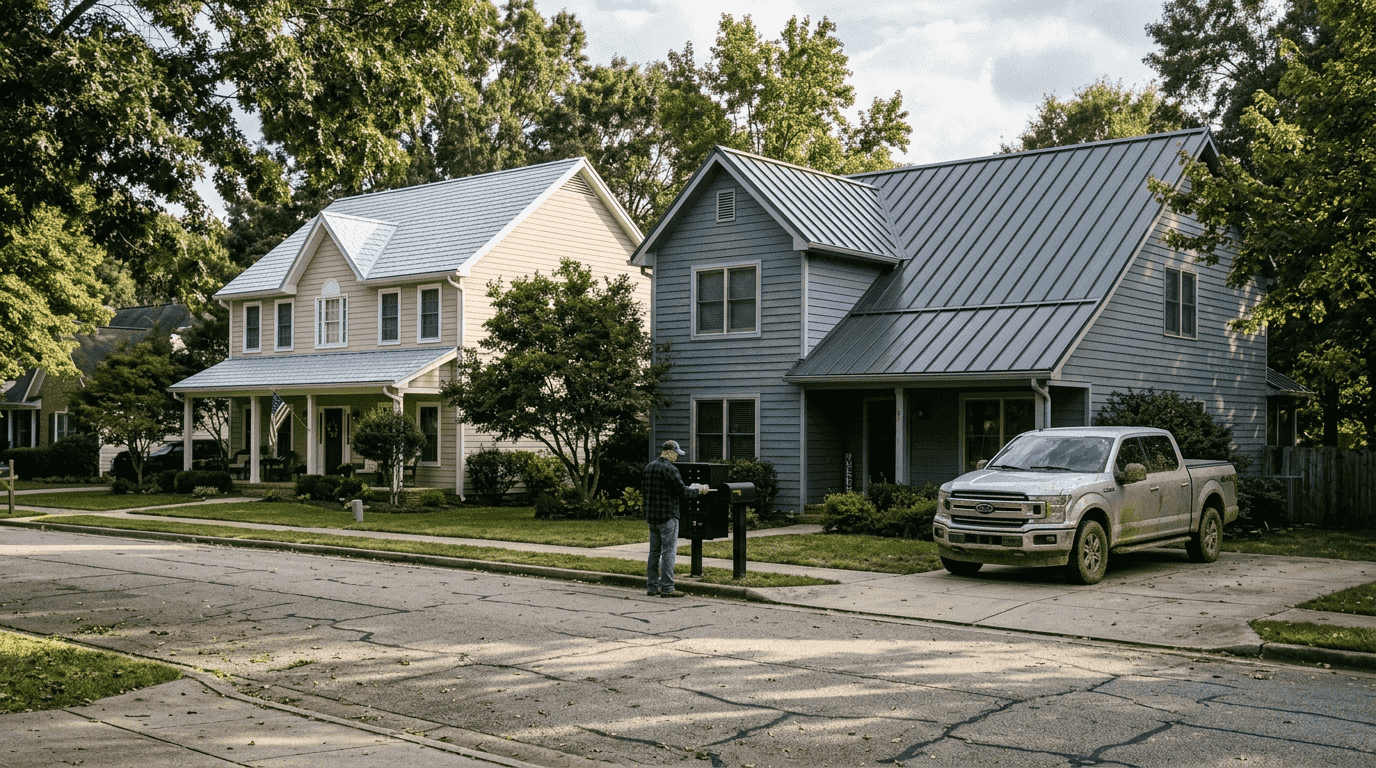
Choosing between aluminum and steel roofing often leaves homeowners uncertain about which material truly fits their needs. Both metals promise durability and low maintenance, yet they differ in corrosion resistance, weight, cost, and environmental performance. Understanding these distinctions helps you make a confident roofing decision in 2026 that protects your home for decades while matching your budget and climate.
Table of Contents
Key takeaways
| Point | Details |
|---|---|
| Material strength | Steel offers higher tensile strength for impact resistance, while aluminum provides superior corrosion resistance. |
| Weight differences | Aluminum weighs significantly less than steel, reducing structural strain on your roof. |
| Cost and lifespan | Steel costs less upfront but requires more maintenance; aluminum has higher initial cost with lower lifetime expenses. |
| Energy efficiency | Both metals reflect sunlight effectively, reducing cooling costs when properly coated. |
| Climate suitability | Aluminum excels in coastal or humid regions; steel performs well in areas prone to hail or high winds. |
Material properties: weight, strength, and corrosion resistance
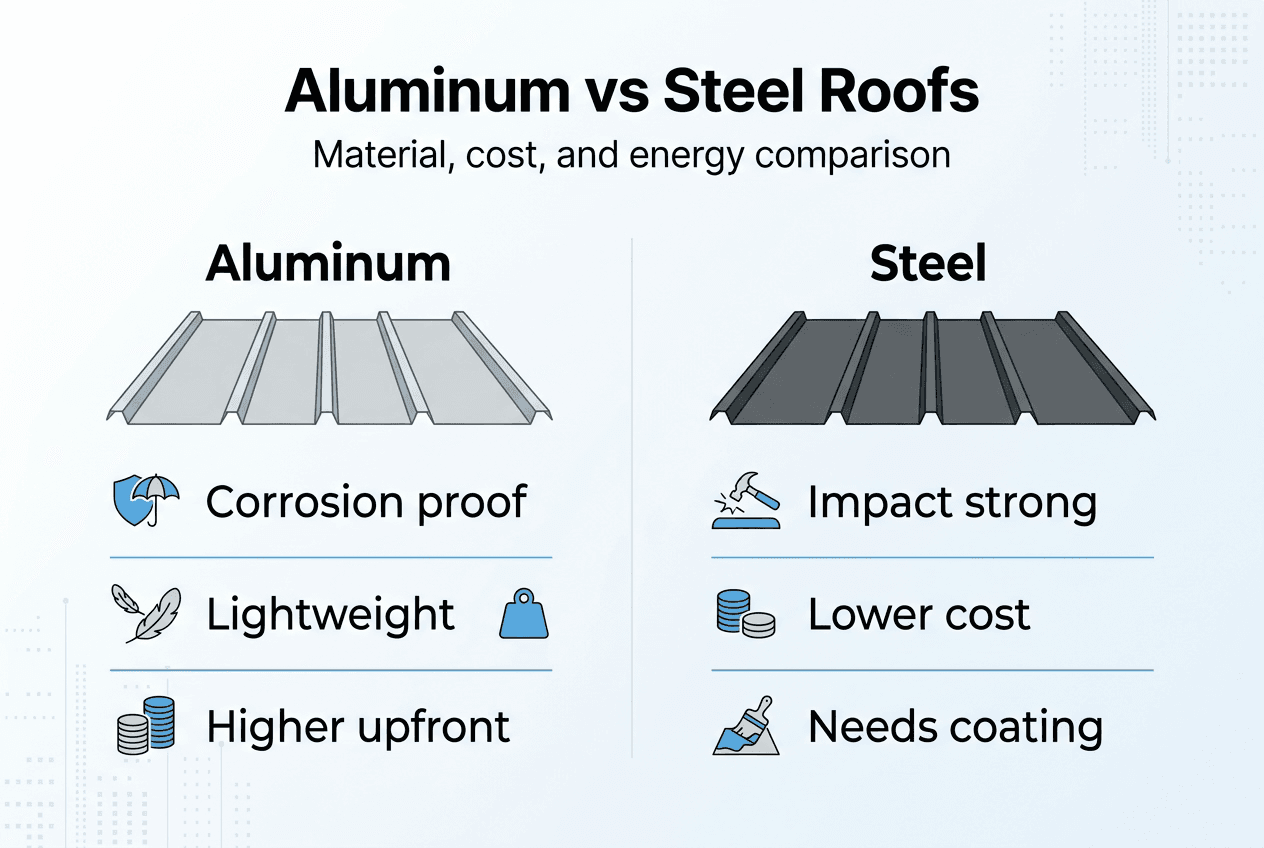
Aluminum and steel differ fundamentally in how they handle physical stress and environmental exposure. Aluminum weighs roughly one third as much as steel, which reduces the load on your roof structure and simplifies installation. This lighter weight makes aluminum ideal for homes with older framing or complex roof designs where added weight could pose structural concerns.
Steel delivers higher tensile strength, making it more resistant to impact damage from hail, falling branches, or debris. This strength advantage matters in regions with severe weather or heavy snowfall. However, steel requires protective coatings to prevent rust, especially in areas with moisture or salt exposure. Without proper coating maintenance, steel roofs can corrode over time, compromising their structural integrity.
Aluminum offers better corrosion resistance than steel, making it suitable for coastal or humid environments. Aluminum forms a natural oxide layer that protects against moisture and salt air without additional treatments. This self-protecting quality extends roof life in challenging climates where steel would require frequent recoating.
Key material differences include:
- Aluminum naturally resists rust and corrosion in all climates
- Steel provides superior impact resistance for hail-prone areas
- Aluminum's lighter weight simplifies installation and reduces structural load
- Steel requires protective coatings that need periodic maintenance
- Aluminum performs better in coastal zones with salt air exposure
Pro Tip: Evaluate your local climate before selecting a metal. Coastal homeowners benefit most from aluminum's corrosion resistance, while inland properties in hail zones may prefer steel's impact strength.
Cost considerations and long-term durability
Initial investment and lifetime expenses differ significantly between aluminum and steel roofing. Steel roofs typically cost 15 to 25 percent less upfront than aluminum, making them attractive for budget-conscious projects. However, this lower entry price doesn't tell the complete financial story.
Steel roofing generally costs less upfront but may incur higher maintenance due to corrosion protection needs. You'll need to inspect and recoat steel roofs every 10 to 15 years in humid climates, adding recurring costs. These maintenance expenses accumulate over decades, narrowing the initial price advantage.
Aluminum roofs demand higher upfront investment but deliver lower lifetime costs through minimal maintenance. The material's natural corrosion resistance eliminates the need for protective recoating in most environments. Aluminum roofs often last 50 years or more with basic cleaning, while untreated steel roofs may require replacement after 30 to 40 years depending on climate exposure.
| Factor | Steel Roofing | Aluminum Roofing |
|---|---|---|
| Initial cost per square foot | $7 to $10 | $9 to $14 |
| Maintenance frequency | Every 10 to 15 years | Minimal, as needed |
| Expected lifespan | 30 to 50 years | 50+ years |
| Coating requirements | Regular recoating needed | Not required |
| Total lifetime cost | Moderate to high | Moderate |
Calculating true value requires factoring in your property's location and weather patterns. Homes in dry climates with minimal moisture may see steel perform well with less frequent maintenance. Properties near oceans or in humid regions face accelerated steel corrosion, making aluminum's durability premium worthwhile.
Pro Tip: Add 20 to 30 percent to steel's base cost for maintenance over 40 years when comparing total investment. This realistic calculation reveals aluminum's competitive lifetime value despite higher initial pricing.
Energy efficiency and environmental resistance
Metal roofing significantly improves home energy performance compared to traditional asphalt shingles. Both aluminum and steel roofing improve home energy efficiency compared to traditional roofing materials by reflecting more sunlight. This reflectivity reduces heat absorption, lowering cooling costs during summer months by 10 to 25 percent in many North American climates.
Aluminum excels at reflecting solar radiation due to its natural surface properties. Even without specialized coatings, aluminum roofs bounce back significant sunlight, keeping attic spaces cooler. Steel also reflects well but may transfer more heat through the roof deck when uncoated, slightly reducing its thermal advantage.
| Climate Zone | Aluminum Performance | Steel Performance |
|---|---|---|
| Hot, sunny regions | Excellent heat reflection, lower cooling costs | Good reflection with proper coating |
| Humid areas | Superior moisture resistance, no rust | Requires coating maintenance |
| Cold, snowy zones | Lightweight, sheds snow easily | High strength handles snow load |
| Coastal regions | Outstanding salt air resistance | Needs frequent coating renewal |
Environmental resistance varies between the two metals:
- Aluminum withstands salt air and humidity without degradation
- Steel handles hail impact better due to higher density
- Both metals resist fire, earning Class A ratings
- Aluminum sheds snow more easily due to smooth surface
- Steel performs well in high wind zones when properly fastened
- Both materials are fully recyclable at end of life
Reflective coatings enhance energy savings for both metals. Modern cool roof coatings can boost solar reflectance to 70 percent or higher, maximizing your home's energy profile. These coatings also protect steel from corrosion while improving aluminum's already strong thermal performance.
Pro Tip: Choose light colored or reflective coatings to maximize energy savings regardless of metal selected. White, light gray, or specialized cool roof finishes deliver the best thermal performance in warm climates.
Which metal roof is right for your home? practical selection guide
Selecting between aluminum and steel requires evaluating your specific situation against each material's strengths. Follow this decision framework to identify the best roofing choice for your 2026 project.
-
Assess your climate and location. Coastal properties within 10 miles of saltwater should prioritize aluminum for corrosion resistance. Inland homes in hail-prone regions benefit from steel's impact strength. Humid climates favor aluminum, while dry areas allow either material.
-
Calculate your total budget including future maintenance. Add projected coating costs for steel over 40 years to compare true lifetime investment. If upfront cost is your primary concern and you're willing to maintain the roof, steel works well. For lower long-term expenses, aluminum often proves more economical.
-
Evaluate your home's structural capacity. Older homes or those with complex roof designs may require aluminum's lighter weight. Consult a structural engineer if you're uncertain whether your framing can support steel's additional mass.
-
Consider aesthetic preferences and neighborhood standards. Both metals come in various profiles and colors. Some homeowners prefer steel's slightly more substantial appearance, while others appreciate aluminum's sleek look. Check if your neighborhood or homeowners association has preferences.
-
Review warranty coverage and installer qualifications. Climate, property location, budget, and maintenance willingness are key factors influencing the best roofing choice. Professional installation ensures you receive full manufacturer warranty protection, which can span decades with quality metal roofing systems.
-
Plan for maintenance requirements. Steel roofs need periodic inspection and potential recoating, especially in moisture-prone areas. Aluminum requires minimal upkeep beyond occasional cleaning. Be honest about your willingness to maintain the roof over time.
-
Consult experienced metal roofing contractors. Local professionals understand regional weather patterns and can recommend the best material for your specific property. They'll also clarify installation costs and timeline for your project.
Your decision ultimately balances initial investment, long-term value, climate suitability, and personal priorities. Neither material is universally superior; the right choice depends on your unique situation. Homeowners seeking maximum corrosion resistance and minimal maintenance often choose aluminum. Those prioritizing lower upfront cost and high impact strength typically select steel. Both materials deliver decades of reliable performance when properly installed and maintained.
Explore metal roofing solutions with Interlock®
Interlock® manufactures premium metal roofing systems engineered for North American climates. Our aluminum and steel products combine durability with energy efficiency, protecting your home while reducing long-term costs. Each system undergoes rigorous testing to ensure it withstands severe weather, from coastal storms to inland hail events.
Our hail resistant roofing solutions protect your property in severe weather zones, while energy efficient roofing options lower cooling costs year-round. Interlock® products feature:
- Lifetime transferable warranties for long-term peace of mind
- Professional installation through authorized dealer network
- Class A fire rating and superior wind resistance
- Recyclable materials supporting sustainable building practices
- Multiple profiles and colors matching any architectural style
Find local metal roofing contractors in your area for a free estimate. Our network of experienced installers ensures your roof is installed correctly, maximizing performance and warranty coverage. Contact us today to discuss which Interlock® metal roofing system best fits your home and budget.
FAQ
Is aluminum or steel roofing better for North American climates?
Aluminum offers superior corrosion resistance for humid and coastal areas, making it ideal for properties near oceans or in regions with heavy rainfall. Steel performs better in impact-prone regions like hail zones but needs rust protection through regular coating maintenance. Your choice should match local weather conditions for optimal performance and longevity.
What maintenance is needed for aluminum vs steel roofs?
Aluminum roofs require minimal maintenance due to natural corrosion resistance, typically needing only periodic cleaning to remove debris. Steel roofs need regular inspections every few years and protective coating renewal every 10 to 15 years to prevent rust, especially in humid or coastal climates. Professional inspection helps identify coating wear before corrosion begins.
How do costs of aluminum and steel roofing compare over time?
Steel roofing is cheaper upfront, typically costing 15 to 25 percent less than aluminum initially. However, steel may cost more over time due to maintenance expenses for coating renewal and potential earlier replacement. Aluminum has higher initial costs but often lower lifetime expenses because of exceptional durability and minimal maintenance needs.
Can I install aluminum or steel roofing myself?
Metal roofing installation is complex and best handled by experienced professionals who understand proper fastening, flashing, and weatherproofing techniques. DIY installation risks voiding manufacturer warranties and creating leaks or structural issues. Professional installation ensures warranty coverage and optimal roof performance for decades.
Recommended
You might also like
Oregon's Best Roof™ Blog