Weather resistant roofing systems for durability in 2026
Weather resistant roofing systems for durability in 2026
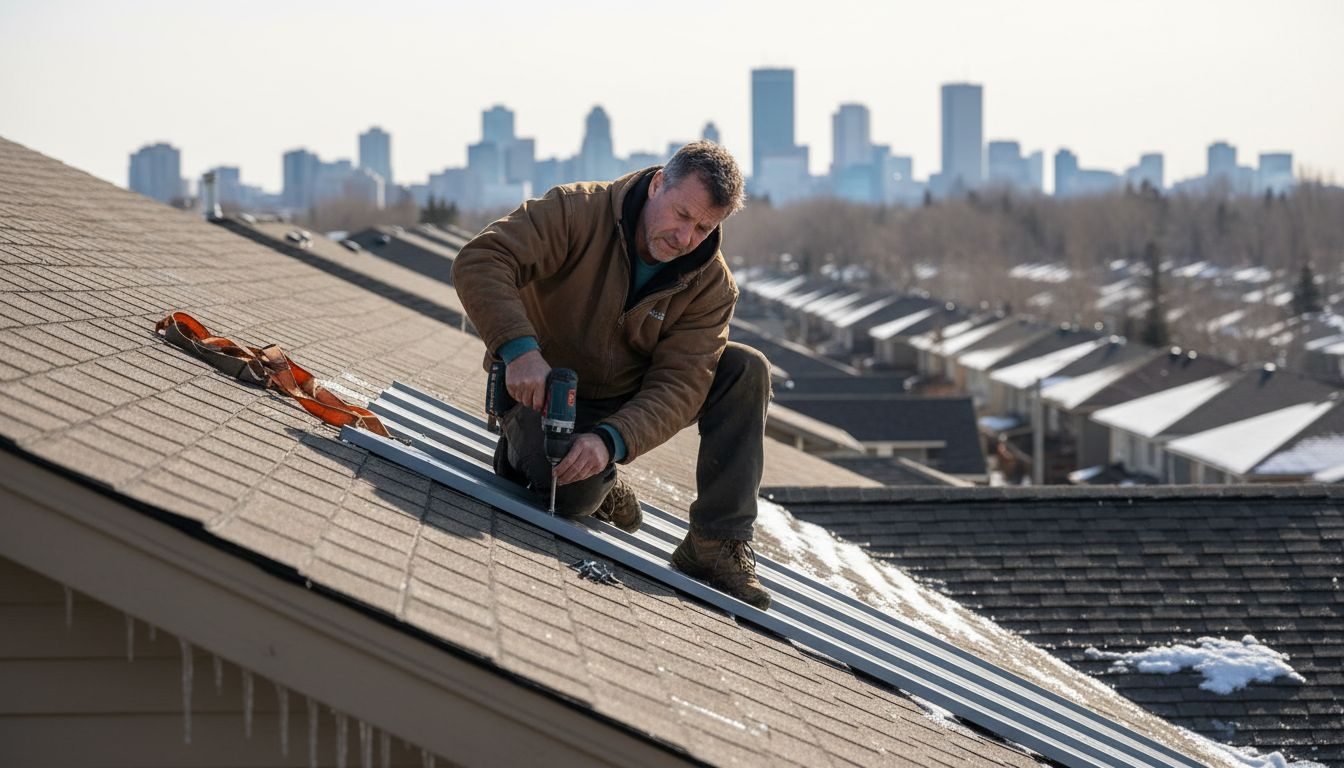
Extreme weather across North America subjects roofs to brutal temperature swings, ice dams, and punishing winds that accelerate wear and spike maintenance costs. Homeowners face a critical choice: invest in roofing systems engineered for harsh climates or face expensive repairs within a decade. This guide explores top weather resistant roofing options, compares materials on performance and longevity, and delivers actionable advice to maximize your roof's durability and energy efficiency in 2026.
Table of Contents
- Understanding Climate Challenges For Weather Resistant Roofs
- Comparing Durable Roofing Materials For Harsh Climates
- Critical Factors Beyond Materials: Design, Installation, And Maintenance
- Practical Tips For Choosing And Maintaining Your Weather Resistant Roof
- Explore Durable, Energy-Efficient Roofing With Interlock
- FAQ
Key takeaways
| Point | Details |
|---|---|
| Extreme weather demands climate-tailored roofing | Temperature swings from -40°C to +30°C and freeze-thaw cycles require materials engineered for harsh conditions. |
| Steel and PVC excel in durability | Steel roofs resist 140 mph winds and last 40-70 years, while KEE-PVC membranes maintain flexibility in freezing temperatures. |
| Proper design prevents costly failures | Most roofing problems stem from design and installation flaws, not material defects. |
| Energy-efficient roofing cuts utility bills | Reflective metal roofing and insulated systems reduce heating and cooling costs year-round. |
| Regular maintenance extends roof life | Annual inspections and prompt repairs prevent small issues from becoming expensive structural damage. |
Understanding climate challenges for weather resistant roofs
North American homeowners contend with some of the planet's most punishing weather extremes. Edmonton's climate creates unique challenges with temperature swings and freeze-thaw cycles that wreak havoc on unprepared roofing systems. Temperature fluctuations from -40°C winters to +30°C summers expand and contract roofing materials, causing cracks and premature failure.
Freeze-thaw cycles pose an especially insidious threat. Water seeps into tiny cracks, freezes overnight, expands, and splits materials wider with each cycle. This repetitive stress destroys asphalt shingles and poorly designed flat roofs within years. Chinook winds in Alberta bring rapid temperature changes that melt snow quickly, creating ponding water that infiltrates compromised seams and flashing.
Ice dams form when heat escapes through poorly insulated roofs, melting snow that refreezes at eaves and traps water behind it. This standing water forces its way under shingles and membranes, rotting decking and causing interior damage. Snow loads add tremendous weight stress, especially on flat or low-slope roofs not designed for accumulation.
"Climate-appropriate roofing materials and design prevent 80% of weather-related roof failures in harsh environments."
Understanding these specific stresses guides smart material choices. A roof engineered for mild climates will fail catastrophically in Edmonton or Minnesota. Selecting energy efficiency benefits from metal roofs matched to your climate zone protects your investment and comfort.
Key climate factors to consider:
- Extreme temperature range (seasonal high to low)
- Number of freeze-thaw cycles annually
- Average snow load and accumulation patterns
- Wind speed maximums during storms
- Rainfall intensity and drainage requirements
Comparing durable roofing materials for harsh climates
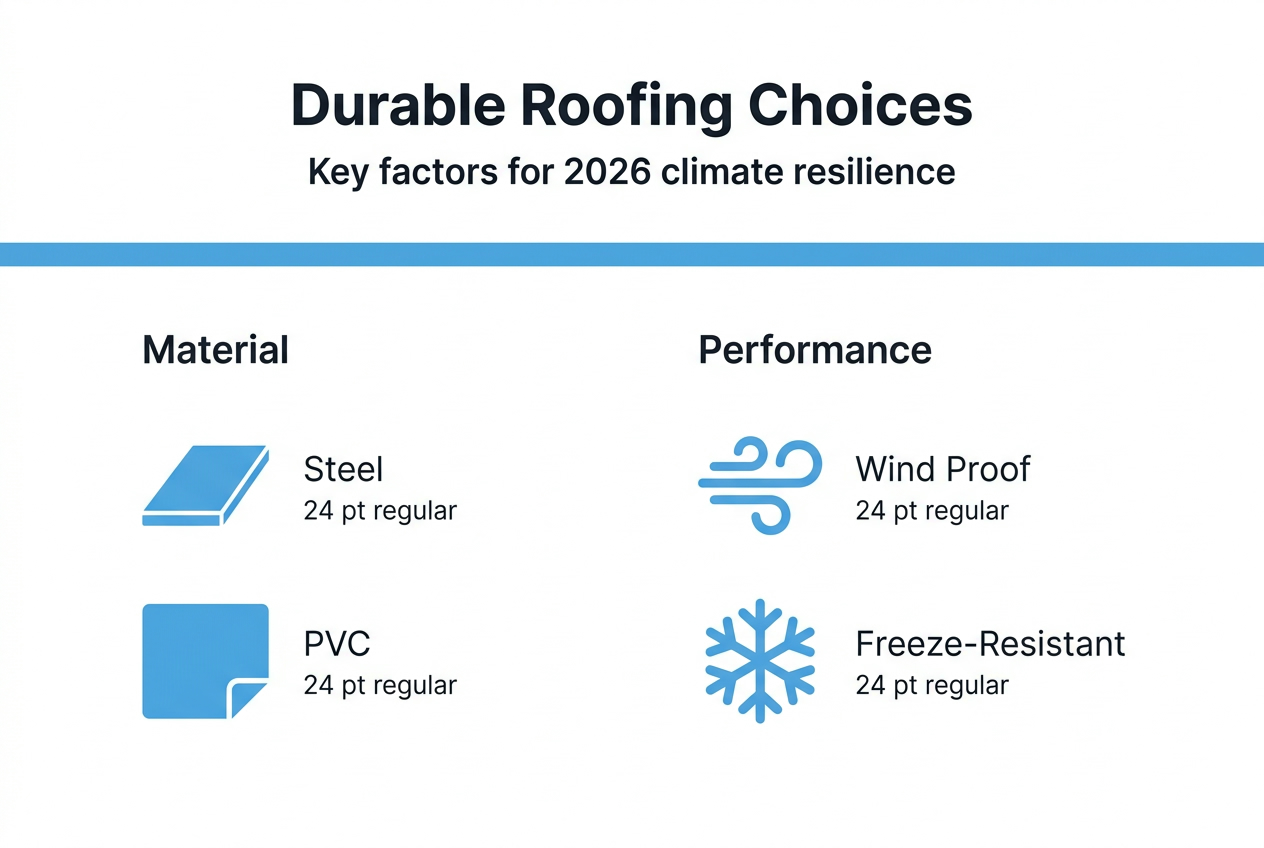
Choosing roofing materials suited to extreme weather dramatically impacts longevity and maintenance costs. Steel roofing demonstrates superior wind resistance up to 140 mph and lasts 40-70 years compared to asphalt's 15-25 year lifespan. Steel's smooth surface sheds snow efficiently, reducing dangerous load accumulation.
Asphalt shingles remain popular due to low upfront cost, but they suffer in harsh climates. Freeze-thaw cycles crack and curl shingles rapidly. Ice dams force water underneath, voiding warranties and causing leaks. Problems with asphalt shingles in cold weather include granule loss from thermal cycling and brittleness at subzero temperatures that leads to wind damage.
PVC roofing membranes with KEE plasticizers excel in freeze-thaw performance suitable for northern climates. These single-ply membranes remain flexible at -40°C, resisting cracks that doom standard materials. Heat-welded seams create watertight bonds stronger than the membrane itself, preventing the infiltration plaguing mechanically fastened systems.
Slate delivers exceptional longevity, often exceeding 100 years with minimal maintenance. Its density and impermeability handle freeze-thaw cycles without degradation. However, slate's weight requires reinforced structural support, and premium cost puts it beyond many budgets. Installation demands specialized expertise not widely available.
| Material | Lifespan | Wind Resistance | Freeze-Thaw Performance | Cost Tier |
|---|---|---|---|---|
| Steel | 40-70 years | Excellent (140+ mph) | Excellent | Medium-High |
| Asphalt Shingles | 15-25 years | Fair (60-90 mph) | Poor | Low |
| KEE-PVC Membrane | 20-30 years | Very Good | Excellent | Medium |
| Slate | 100+ years | Excellent | Excellent | Very High |
Pro Tip: Match your roofing material's thermal expansion coefficient to your climate's temperature range. Materials that expand and contract excessively create fastener pullout and seam failures.
Selecting materials engineered for your specific climate reduces replacement frequency and emergency repairs. Consult the comprehensive roofing guide to evaluate options systematically based on your home's requirements and budget.
Critical factors beyond materials: design, installation, and maintenance
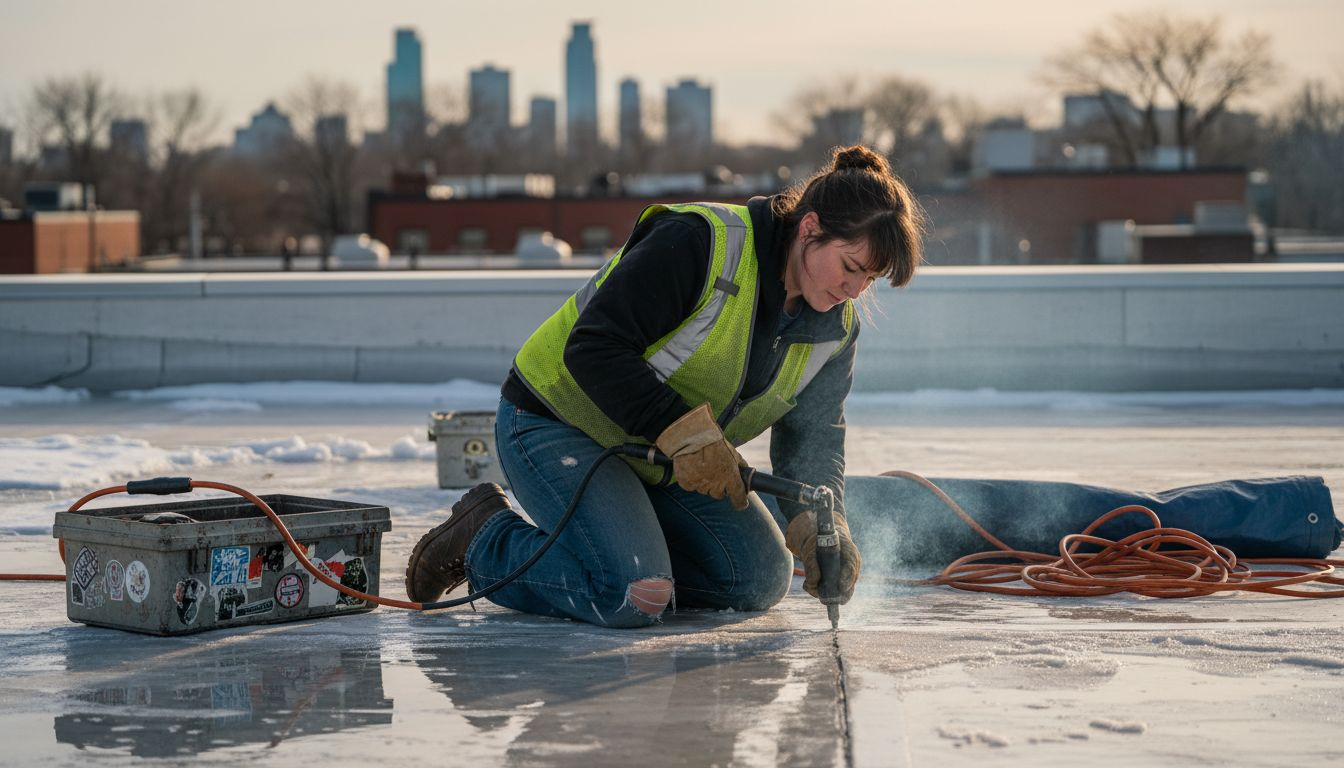
Even premium materials fail when design or installation cuts corners. Most TPO roofing problems stem from design and installation issues rather than membrane defects. Inadequate drainage creates ponding water that degrades any roofing system prematurely. Improperly flashed penetrations and transitions become leak points within months.
System design must account for thermal movement, snow shedding, drainage paths, and vapor barriers appropriate to climate. A flat roof without adequate slope traps water, while insufficient insulation creates condensation that rots decking from inside. Ventilation design prevents ice dams by keeping roof surfaces cold uniformly.
Installation quality determines whether your roof achieves its rated lifespan or fails early. Certified installers understand climate-specific techniques like proper fastener spacing for high winds and seam reinforcement for thermal cycling. Shortcuts during installation void manufacturer warranties and lead to expensive callbacks. Verify installer credentials and request references from projects in similar climates.
Regular maintenance catches small issues before they cascade into structural damage. Annual inspections identify loose fasteners, cracked sealants, and debris accumulation in valleys. Cleaning gutters and downspouts prevents ice dam formation and water backup. Addressing minor repairs promptly costs hundreds instead of thousands later.
Key maintenance tasks for harsh climates:
- Inspect roof surface and flashing after major storms
- Clear debris from valleys and drainage paths seasonally
- Check and reseal penetration boots and vents annually
- Remove excessive snow buildup exceeding design load
- Document roof condition with photos for warranty claims
Pro Tip: Schedule inspections in spring after freeze-thaw damage occurs and fall before snow season. This timing catches issues when repairs are easiest and prevents winter emergencies.
Neglecting maintenance nullifies even the best materials and installation. Factor ongoing care into your total cost of ownership when comparing metal vs shingle roof cost analysis for your home.
Practical tips for choosing and maintaining your weather resistant roof
Selecting the right roofing system starts with understanding your climate zone's specific demands. Research historical temperature extremes, snowfall records, and wind patterns for your area. Match materials and design to documented weather challenges, not generic recommendations for your state.
A minimum roof pitch of 4:12 helps snow slide off, reducing structural stress and ice dam risk. Steeper pitches shed snow and rain more effectively but increase material and installation costs. Balance drainage needs against budget constraints.
Hire certified installers with documented experience in harsh weather roofing. Request references from projects completed at least five years ago in similar climates. Verify proper licensing and insurance coverage before signing contracts. Quality installation costs more upfront but prevents expensive callbacks and premature failures.
Invest in efficient roofing solutions that lower utility bills through reflective coatings and proper insulation. Energy-efficient roofing reduces heat gain in summer and heat loss in winter, cutting HVAC costs by 15-25%. Cool roof technology reflects solar radiation, keeping attic spaces and living areas more comfortable.
Practical selection steps:
- Assess your home's current roof condition and remaining lifespan
- Research climate data for your specific location (not regional averages)
- Evaluate 3-5 material options rated for your climate extremes
- Obtain detailed quotes from certified installers with verifiable references
- Compare total cost of ownership including maintenance over expected lifespan
- Verify warranty coverage and transferability for resale value
Schedule professional inspections annually and after severe weather events. Document all maintenance and repairs with photos and receipts for warranty claims. Budget 1-2% of roof replacement cost annually for ongoing maintenance and minor repairs.
Key decision factors:
- Material lifespan versus upfront cost
- Energy efficiency and utility bill impact
- Maintenance requirements and accessibility
- Installer expertise and warranty support
- Architectural compatibility with home style
Making informed choices based on real climate data and proven materials maximizes your investment value and home protection for decades.
Explore durable, energy-efficient roofing with Interlock®
After understanding the critical factors in weather resistant roofing, you need a trusted partner to deliver proven solutions. Interlock metal roofing systems are engineered specifically for North America's harshest climates, combining steel's durability with energy-efficient design.
Interlock's aluminum and steel roofing withstands extreme temperature swings, heavy snow loads, and high winds while maintaining architectural appeal. Our efficient roofing solutions reduce heating and cooling costs through reflective coatings and optimal insulation integration. For regions facing severe storms, hail-resistant roofing provides additional peace of mind with impact-tested materials.
Authorized Interlock dealers across North America bring certified installation expertise to ensure your roof achieves its full performance potential. Every Interlock system includes a lifetime, transferable warranty that protects your investment and enhances resale value. When you choose roofing designed for real-world climate challenges and backed by professional installation, you invest in decades of reliable protection and comfort.
FAQ
Which roofing materials are best for extreme cold climates?
Steel and KEE-PVC roofing systems excel in cold climates due to durability and flexibility at subzero temperatures. Steel resists wind damage and sheds snow efficiently, while KEE-modified PVC membranes maintain flexibility through freeze-thaw cycles without cracking. Both outperform asphalt shingles significantly in longevity and weather resistance.
How does roof pitch affect snow load and water drainage?
Roof pitch of 4:12 or greater helps snow slide off before accumulation creates dangerous structural stress. Steeper slopes also improve water drainage, preventing ponding that infiltrates seams and causes leaks. Proper pitch design matched to your snowfall patterns reduces ice dam formation and extends roof lifespan.
What maintenance is essential for weather resistant roofs?
Regular inspection and prompt repair prevent small issues from escalating into expensive structural damage. Schedule annual professional inspections, especially after severe weather events. Keep gutters and downspouts clear to prevent ice dams and water backup. Address loose fasteners, cracked sealants, and damaged flashing immediately to maintain weather resistance and warranty coverage.
How do energy-efficient roofs reduce homeowner costs?
Reflective metal roofing and properly insulated systems reduce heat transfer, lowering HVAC energy consumption by 15-25% annually. Cool roof coatings reflect solar radiation, keeping attic temperatures lower in summer and reducing cooling loads. Improved insulation reduces heat loss in winter, cutting heating costs. Energy savings compound over the roof's lifespan, offsetting higher initial material costs within 7-12 years.
Why is professional installation critical for weather resistant roofing?
Professional installers understand climate-specific techniques like proper fastener spacing for high winds and thermal movement accommodation. Certified installation preserves manufacturer warranties and prevents premature failures from improper seam sealing or flashing details. Experienced contractors identify and correct substrate issues before they compromise the new roof, ensuring you achieve the full rated lifespan and performance.
Recommended
You might also like
Oregon's Best Roof™ Blog