Roof panel systems: Durable, energy-efficient guide
Roof panel systems: Durable, energy-efficient guide
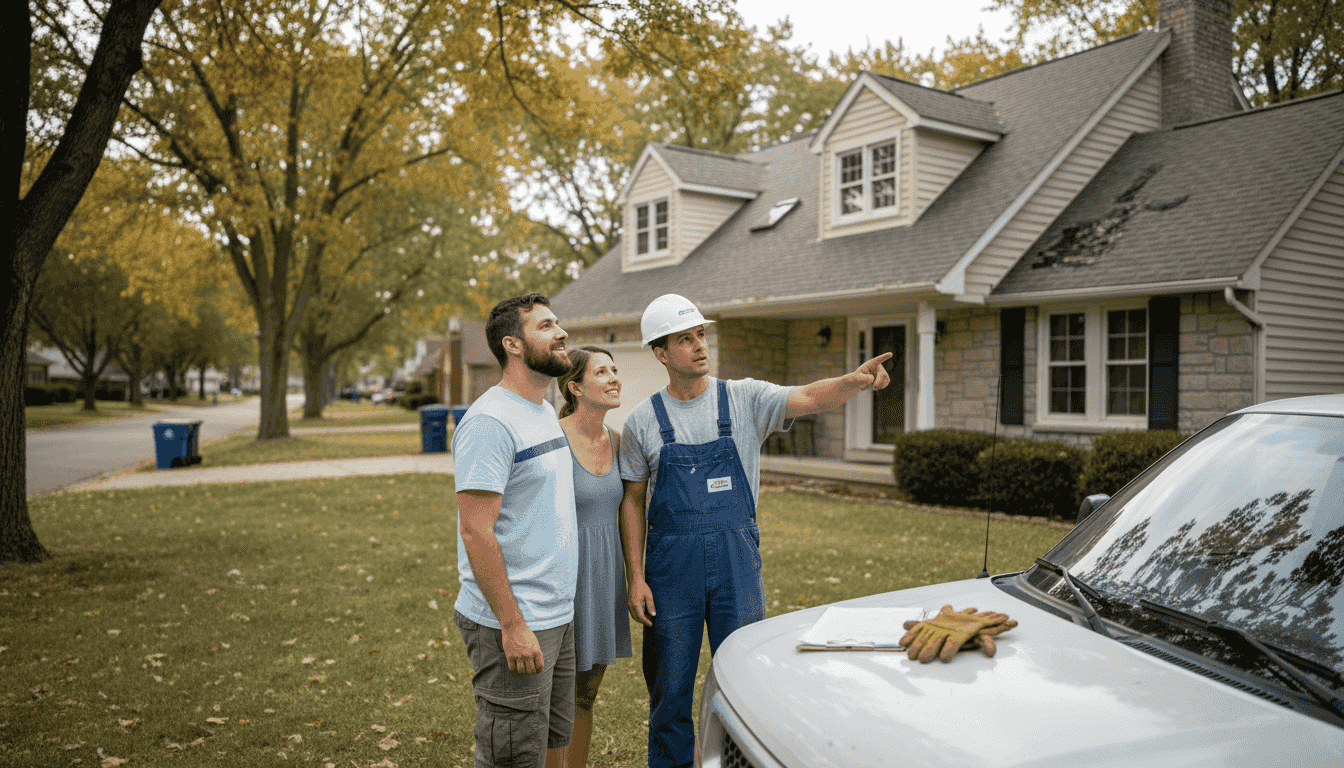
Roof panel systems are prefabricated roofing elements designed to protect your home while delivering energy savings and lasting durability. Many homeowners assume all roofing materials perform similarly, yet metal panels outlast asphalt shingles by decades and reflect significantly more solar heat. Understanding these differences helps you invest wisely in a roofing solution that reduces energy bills and withstands harsh weather for generations.
Table of Contents
- Introduction To Roof Panel Systems
- Energy Efficiency Features Of Roof Panel Systems
- Thermal Insulation And Roof Panel Construction
- Durability And Longevity Of Roof Panel Materials
- Ventilation And Installation Best Practices
- Common Misconceptions About Roof Panel Systems
- Choosing The Right Roof Panel: Practical Guidance For Homeowners
- Conclusion And Next Steps
- Explore Durable And Energy-Efficient Roofing Solutions With Interlock
Key takeaways
| Point | Details |
|---|---|
| Material variety | Metal, asphalt, and insulated sandwich panels offer different lifespans and thermal performance. |
| Energy savings | Reflective metal panels can cut cooling costs 15-20% in hot climates. |
| Insulation advantage | Modern insulated panels achieve R-values over 30, drastically reducing heat transfer. |
| Durability gap | Metal roofs last 40-70 years while asphalt shingles average only 20-30 years. |
| Installation impact | Poor ventilation and sealing can reduce insulation effectiveness by up to 30%. |
Introduction to roof panel systems
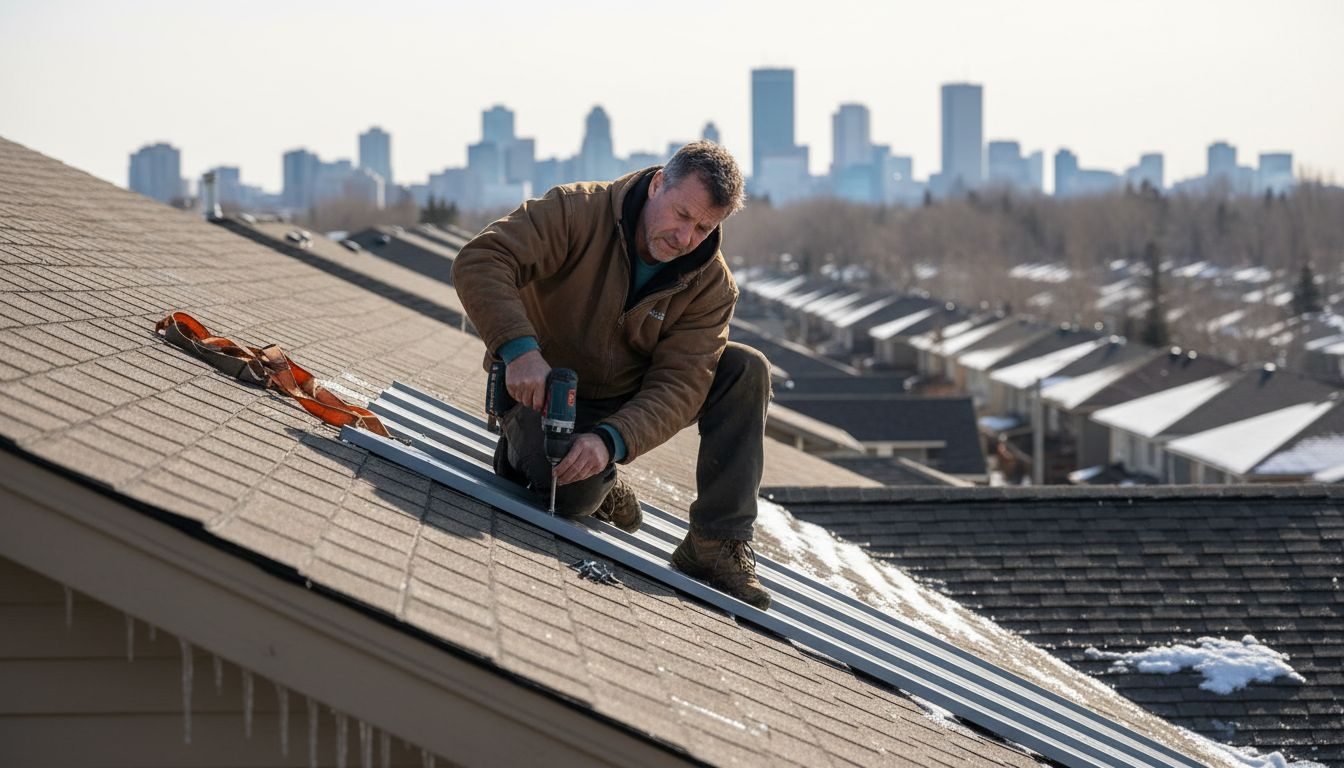
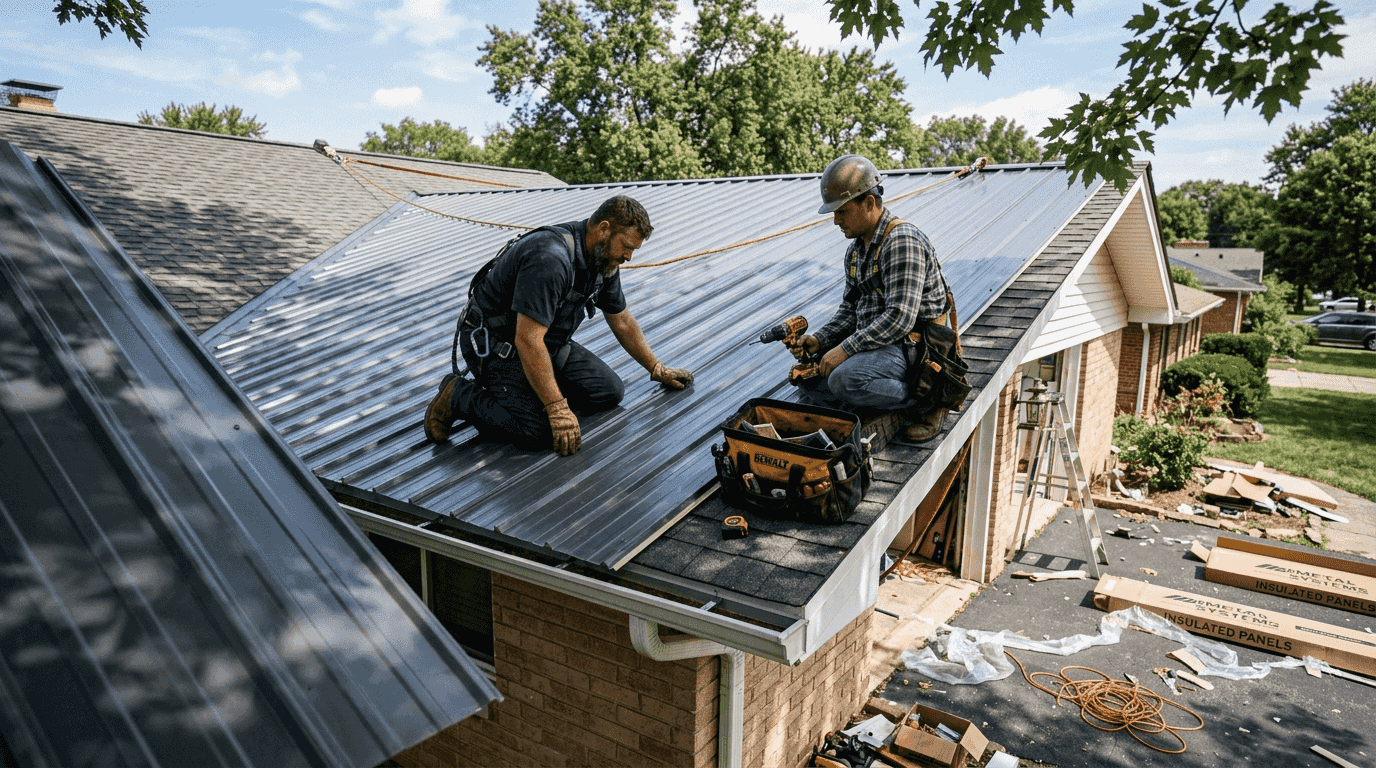
Roof panel systems are prefabricated roofing elements engineered to simplify installation and enhance structural performance. These systems arrive at job sites ready for assembly, reducing labor time and improving consistency compared to traditional shingle-by-shingle methods. Homeowners benefit from faster project completion and fewer weather-related delays during installation.
Three primary types dominate residential applications. Metal panels use aluminum or steel with protective coatings to resist corrosion and reflect sunlight. Asphalt shingle-based panels incorporate fiberglass mats coated with mineral granules for fire resistance and UV protection. Insulated sandwich panels combine metal facings with thermal cores like polyurethane or expanded polystyrene, delivering superior energy efficiency in a single integrated product.
Materials vary widely in composition and performance characteristics:
- Metal options include aluminum for lightweight corrosion resistance and steel for strength in snow-heavy regions
- Asphalt blends petroleum-based compounds with fiberglass reinforcement for affordability
- Polyurethane cores provide high R-values per inch with moisture resistance
- EPS cores offer budget-friendly insulation with adequate thermal performance
Durability directly impacts your home's long-term value and maintenance burden. Roofing repairs or premature replacements cost thousands of dollars and disrupt household routines. Choosing panels engineered to withstand decades of weather exposure protects your investment and eliminates recurring headaches.
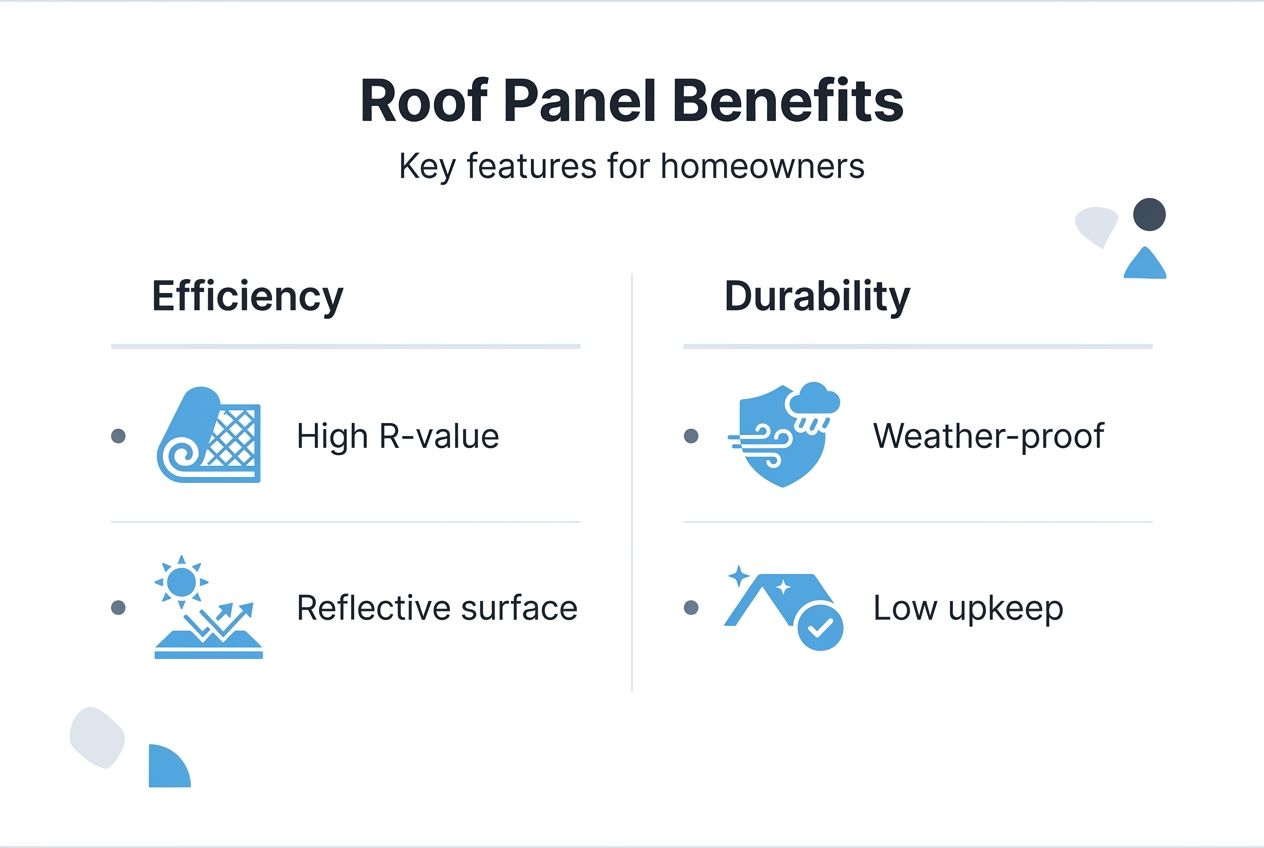
Energy-efficient roofing systems lower monthly utility bills by reducing heat transfer between your home and the outdoor environment. During summer, reflective surfaces bounce solar radiation away from your attic, decreasing air conditioning demand. In winter, proper insulation traps heat inside, minimizing furnace runtime. These savings compound year after year, offsetting higher upfront material costs.
Energy efficiency features of roof panel systems
Solar Reflectance Index (SRI) measures how effectively a surface reflects sunlight and releases absorbed heat. Higher SRI values indicate cooler roof surfaces, reducing thermal load on your home. Metal panels with specialized coatings achieve SRI ratings above 70, while dark asphalt shingles typically score below 30, absorbing far more solar energy.
Reflective coatings use advanced pigments to bounce visible and infrared radiation back into the atmosphere. These factory-applied finishes maintain their performance for decades without fading or chalking. Metal roof panels with reflective coatings can reduce attic temperatures by several degrees, cutting cooling costs 15-20% in hot climates. This technology proves especially valuable in southern states where air conditioning represents the largest portion of summer energy bills.
Thermal emissivity describes a material's ability to release stored heat through radiation. High-emissivity surfaces cool rapidly after sunset, preventing nighttime heat buildup in attic spaces. Metal roofing naturally exhibits excellent emissivity, helping your home maintain comfortable temperatures around the clock. This characteristic complements reflectivity by addressing both daytime absorption and nighttime heat retention.
Insulation R-values quantify resistance to conductive heat flow. Higher numbers indicate better thermal barriers. Roof panels incorporating thick insulation cores minimize heat transfer through the roof assembly, protecting conditioned air inside your home. Modern systems routinely exceed R-30, surpassing traditional attic insulation alone.
Energy savings translate to measurable financial benefits. A typical homeowner in Phoenix or Atlanta might save $200 to $400 annually on cooling costs after upgrading to energy-efficient metal roofing. Over a 50-year lifespan, these savings accumulate to $10,000 or more, substantially offsetting higher initial material investments. Energy-conscious homeowners should prioritize reflectivity and insulation when comparing energy efficient roofing types.
Thermal insulation and roof panel construction
Sandwich panel construction revolutionizes roofing insulation by bonding rigid foam cores between two metal facings. This factory-controlled process ensures consistent thermal performance across every panel. The metal skins provide structural rigidity and weather protection while the core delivers insulation without gaps or compression issues common in field-installed fiberglass batts.
Polyurethane foam cores dominate high-performance applications due to exceptional R-value per inch. These closed-cell materials resist moisture infiltration and maintain insulating properties even in humid climates. Expanded polystyrene (EPS) offers a cost-effective alternative with good thermal resistance, though slightly lower per-inch performance than polyurethane. Both materials outlast traditional insulation by decades when properly sealed.
Modern insulated roof panels achieve R-values exceeding 30, dramatically reducing heat transfer through roof assemblies. This performance level surpasses code minimum requirements in most North American jurisdictions, providing comfort and efficiency beyond baseline standards. Homeowners in extreme climates benefit most from these advanced systems.
| Panel Type | Core Material | Typical R-Value | Best Climate |
|---|---|---|---|
| Standard Metal | None | R-0 to R-3 | Mild regions |
| Polyurethane Sandwich | Closed-cell foam | R-30 to R-40 | All climates |
| EPS Sandwich | Expanded polystyrene | R-20 to R-30 | Moderate climates |
| Mineral Wool Sandwich | Stone fiber | R-25 to R-35 | Fire-prone areas |
High R-values reduce both heat gain in summer and heat loss in winter. During July, your air conditioner runs less frequently because less outdoor heat penetrates the roof. In January, furnace cycles decrease as interior warmth stays trapped inside. This year-round efficiency improvement enhances comfort while lowering energy consumption.
Extreme climates amplify insulation benefits. Northern homeowners facing subzero winters see substantial heating cost reductions. Southern residents battling 100°F summers enjoy cooler attics and reduced air conditioning strain. Even temperate regions benefit from moderated temperature swings and improved indoor comfort. Investing in efficient roofing options pays dividends regardless of location.
Pro Tip: Request panel core samples during the selection process to verify insulation density and material quality. Cutting open a small section reveals manufacturing consistency and helps confirm advertised R-values match actual product specifications.
Durability and longevity of roof panel materials
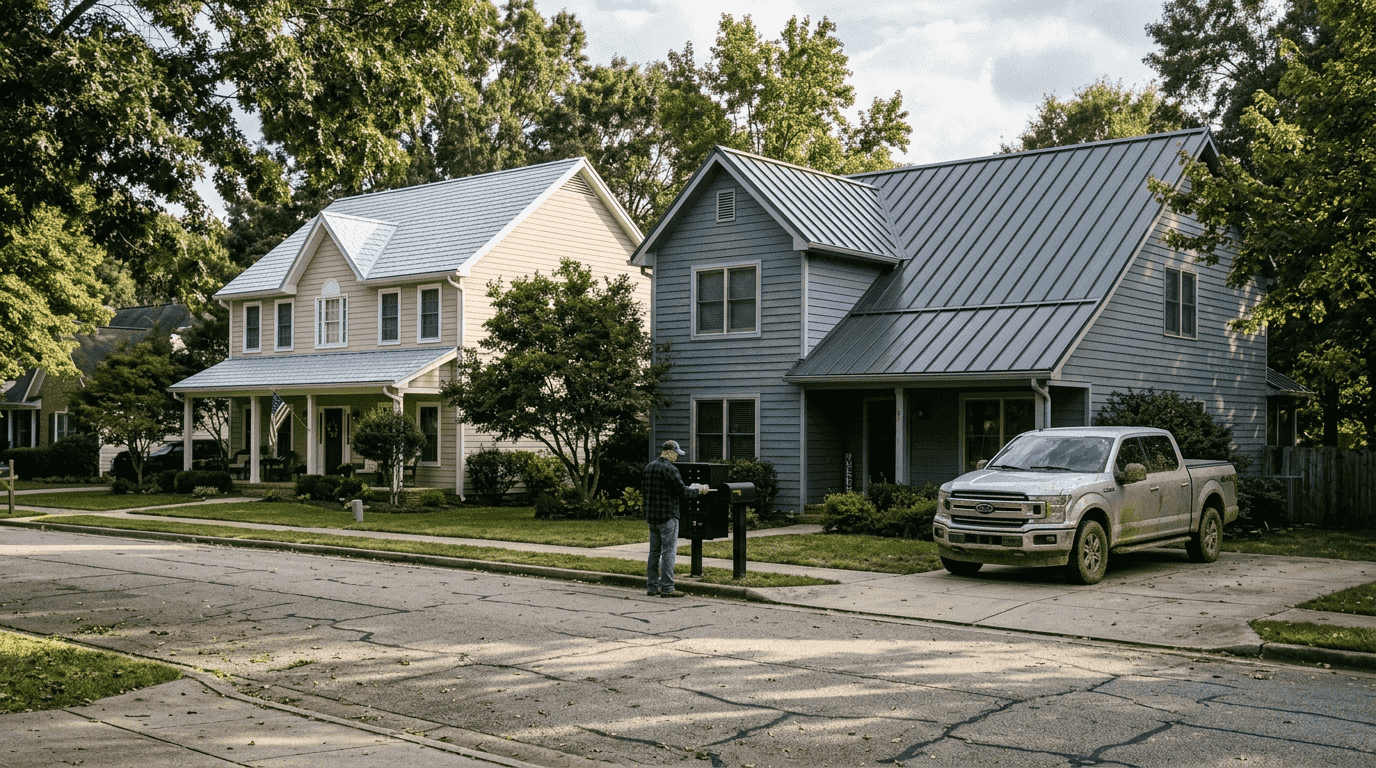
Metal roofing systems typically last between 40 to 70 years, significantly outlasting asphalt shingles which average 20-30 years for residential roofs. This longevity difference means metal roofs often require zero replacements during a homeowner's lifetime, while asphalt roofs need complete tear-offs and reinstallations at least once. The math strongly favors metal for long-term value.
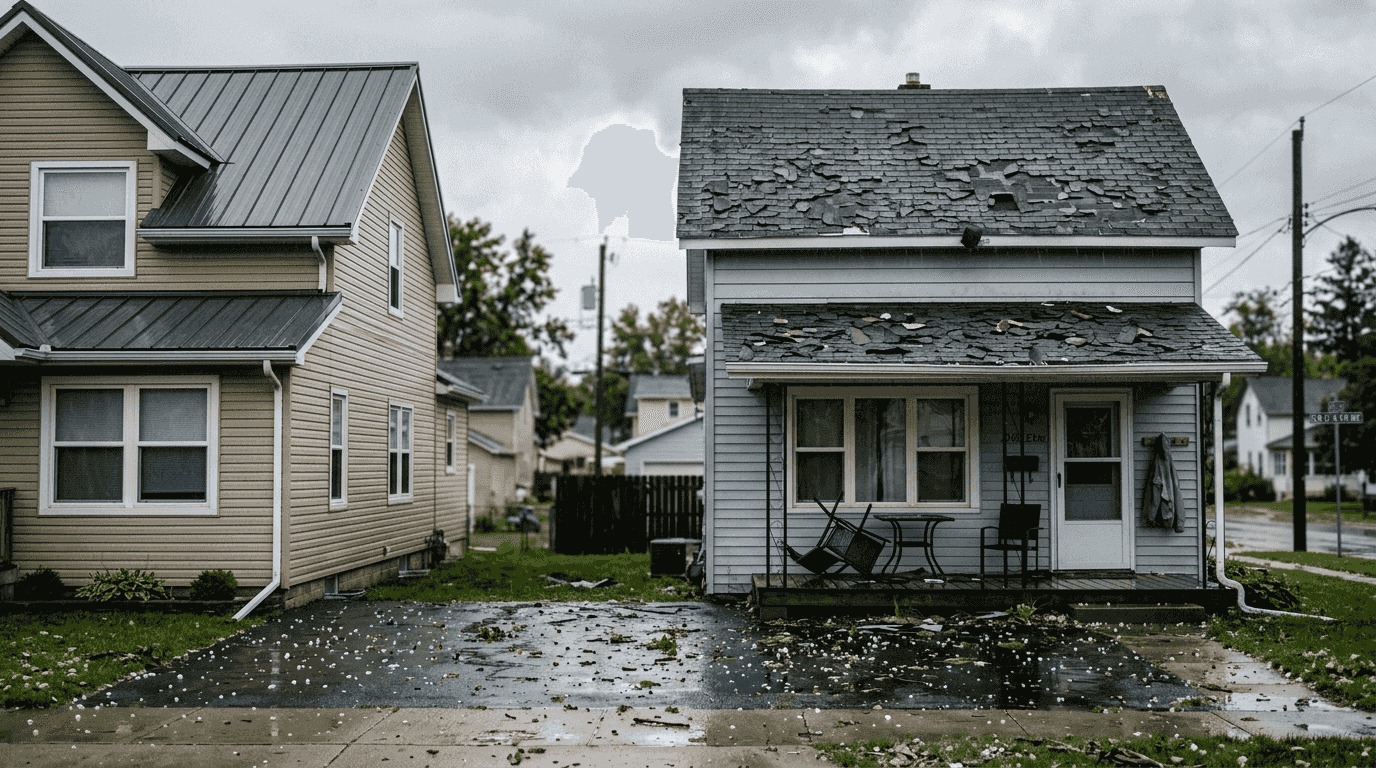
Weather resistance varies dramatically by material composition. Metal panels withstand hail impacts that would shatter asphalt shingles, earning Class 4 impact ratings in many product lines. Wind uplift resistance exceeds 120 mph for properly fastened metal systems, while asphalt shingles begin losing tabs at 60-70 mph. Snow load capacity depends on panel gauge and fastening patterns, but metal consistently outperforms asphalt in heavy snow regions.
| Material | Lifespan | Hail Resistance | Wind Rating | Maintenance |
|---|---|---|---|---|
| Metal Panels | 40-70 years | Excellent (Class 4) | 120+ mph | Minimal |
| Asphalt Shingles | 20-30 years | Poor to Fair | 60-90 mph | Moderate |
| Insulated Metal | 40-60 years | Excellent (Class 4) | 110+ mph | Minimal |
Maintenance requirements influence total ownership costs. Metal roofs need occasional inspections and fastener checks but rarely require repairs. Asphalt shingles demand regular replacement of damaged tabs, cleaning of algae growth, and monitoring for granule loss. Over decades, these maintenance tasks add thousands in labor and material expenses.
Warranty coverage reflects manufacturer confidence in product durability. Metal roofing manufacturers often provide lifetime warranties transferable to future homeowners, enhancing resale value. Asphalt shingle warranties typically span 20-30 years with prorated coverage that diminishes annually. Understanding your roof warranty details helps predict long-term costs and protections.
Consider these durability factors when comparing metal roof vs shingles cost. Selecting hail resistant roofing prevents expensive damage in storm-prone regions. Prioritizing wind damage protection ensures your roof survives severe weather events. Consult a comprehensive roofing material guide to evaluate all performance aspects before purchasing.
Ventilation and installation best practices
Attic ventilation regulates temperature and moisture levels beneath your roof panels. Proper airflow prevents heat buildup during summer, reducing cooling loads and extending shingle life. In winter, ventilation exhausts humid air before condensation forms on cold surfaces, protecting insulation and structural framing from moisture damage.
Poor installation practices undermine even the best roofing materials. Compressed insulation loses R-value, creating thermal bridges that waste energy. Unsealed joints allow moisture infiltration, degrading insulation and promoting mold growth. Studies show improper installation can reduce insulation effectiveness by up to 30%, negating efficiency advantages of premium materials.
Sealing techniques prevent water and air leakage at panel joints and penetrations. High-quality sealants maintain flexibility across temperature extremes, preventing cracks that invite moisture intrusion. Fastener placement follows engineered patterns to resist wind uplift while maintaining weather-tight integrity. Every fastener penetration requires gaskets or washers to seal against water entry.
Key installation practices include:
- Install ridge and soffit vents to create continuous airflow paths
- Space fasteners according to manufacturer specifications for wind resistance
- Apply butyl tape or sealant at all panel overlaps and flashings
- Verify insulation fills cavities completely without compression gaps
- Inspect attic spaces post-installation for proper ventilation flow
Proper ventilation extends roof panel lifespan by preventing premature deterioration. Metal panels stay cooler with good airflow, reducing thermal expansion cycles that fatigue fasteners. Asphalt shingles avoid blistering and cracking when attic temperatures remain moderate. These benefits compound over decades, maximizing return on your roofing investment.
Installation quality impacts overall system durability more than material choice in many cases. A poorly installed premium metal roof fails faster than a properly installed mid-grade system. Hiring certified installers ensures your roof panels perform as engineered. Referencing best practices for solar roofing installation provides additional insights applicable to all panel systems. Understanding why proper installation and sealing matter helps homeowners prioritize quality workmanship.
Pro Tip: Request photos documenting ventilation pathways and fastener patterns during installation. This visual record helps verify proper techniques and provides documentation for future warranty claims if issues arise.
Common misconceptions about roof panel systems
Many homeowners mistakenly believe asphalt shingles match metal panels in durability and energy efficiency. In reality, asphalt shingles have lower reflectivity and shorter lifespans compared to metal roof panels with reflective coatings. This misconception costs thousands in premature replacements and higher energy bills over time. Metal's superior performance in both categories makes it the clear choice for long-term value.
Roof color and reflectivity profoundly affect cooling costs, yet many dismiss this factor as trivial. Dark roofs absorb 80-90% of solar radiation, heating attics to 150°F or higher. Light-colored reflective roofs stay 50-60°F cooler, dramatically reducing air conditioning demand. Over a 50-year lifespan, color choice influences energy costs by $10,000 or more in hot climates.
Ventilation importance gets underestimated during roofing decisions. Homeowners focus on panel quality while overlooking airflow requirements. Poor ventilation traps heat and moisture, destroying insulation value and rotting roof decking. Even premium panels fail prematurely without adequate attic ventilation. This oversight transforms a 50-year roof into a 20-year problem.
Basing roofing decisions solely on upfront cost ignores total ownership expenses. A $15,000 metal roof lasting 60 years costs $250 annually. A $8,000 asphalt roof lasting 25 years costs $320 annually, plus two expensive replacements over the same timeframe. The "cheaper" option ultimately costs far more when accounting for durability and maintenance.
Key myths to reject:
- Asphalt and metal roofs perform equally well (metal significantly outlasts asphalt)
- Roof color doesn't matter for energy bills (color impacts cooling costs 15-20%)
- Ventilation is optional (proper airflow essential for longevity and efficiency)
- Lowest price equals best value (lifetime cost matters more than initial expense)
Correct information empowers better roofing investments. Understanding metal roofs' actual energy efficiency helps homeowners appreciate true performance differences. Staying informed through reliable sources like the Interlock roofing blog ensures decisions rest on facts rather than myths. Challenge assumptions by verifying claims against authoritative roofing resources.
Choosing the right roof panel: Practical guidance for homeowners
Assess your local climate first to identify critical roofing requirements. Northern regions prioritize snow load capacity and insulation for heating efficiency. Southern areas demand high reflectivity and ventilation for cooling performance. Coastal zones require corrosion-resistant materials to withstand salt spray. Matching panel characteristics to environmental stressors ensures optimal long-term performance.
Compare materials systematically across key performance dimensions. Evaluate reflectivity ratings, insulation R-values, expected lifespan, and weather resistance. Create a decision matrix weighting factors by personal priorities. Budget-conscious buyers might emphasize durability over premium aesthetics, while energy-focused homeowners prioritize maximum insulation and reflectivity.
Warranty coverage deserves careful evaluation beyond simple year counts. Examine what specific failures the warranty covers and whether coverage transfers to future owners. Lifetime warranties on metal roofs add resale value by assuring buyers of continued protection. Prorated asphalt warranties lose value rapidly, leaving homeowners exposed to replacement costs within 15-20 years. Understanding warranty details prevents unpleasant surprises.
Balance upfront costs against long-term savings and durability. Calculate annual ownership cost by dividing total installed price by expected lifespan. Include estimated maintenance and energy savings in your analysis. This approach reveals metal's superior value despite higher initial investment. Financing options further reduce the upfront burden while delivering immediate energy savings.
Follow this selection process:
- Document your climate's temperature extremes, precipitation patterns, and severe weather risks
- List your priorities: durability, energy efficiency, aesthetics, budget constraints
- Request quotes for metal, insulated, and asphalt systems from certified installers
- Compare warranties, R-values, reflectivity ratings, and expected lifespans
- Calculate lifetime cost including installation, maintenance, energy savings, and replacement
- Verify installer certifications and review past project photos before contracting
Consult certified dealers for professional guidance tailored to your specific situation. Experienced installers understand local building codes, climate challenges, and product performance. They identify solutions matching your home's architecture while meeting energy and durability goals. Dealer expertise helps avoid costly mistakes and ensures proper installation.
Explore comprehensive efficient roofing options to compare available technologies. Review manufacturer specifications carefully, questioning any claims lacking supporting data. Make informed decisions based on verified performance rather than marketing promises.
Pro Tip: Request references from homeowners whose roofs were installed 10-15 years ago. Their experience reveals actual durability, maintenance requirements, and satisfaction levels that new installations can't demonstrate.
Conclusion and next steps
Roof panel systems deliver measurable advantages in energy efficiency, durability, and long-term value when properly selected and installed. Metal and insulated panels outperform traditional asphalt across virtually every metric, from lifespan to weather resistance to thermal performance. Professional installation with proper ventilation maximizes these benefits, protecting your investment for decades.
Consult certified dealers to evaluate products suited to your climate and budget. Review warranty terms carefully and calculate lifetime ownership costs rather than focusing solely on initial price. Request detailed installation plans addressing ventilation, fastening patterns, and sealing methods. These steps ensure your new roof delivers promised performance throughout its expected lifespan.
Explore durable and energy-efficient roofing solutions with Interlock®
Having learned how roof panel systems protect homes and reduce energy costs, consider how Interlock® metal roofing solutions deliver these benefits in real-world applications. Interlock manufactures aluminum and steel panels engineered for 50-plus-year lifespans with reflective coatings that cut cooling costs in any climate.
Interlock's hail resistant metal roofing earns Class 4 impact ratings, protecting your home from severe storms that destroy conventional shingles. Products come backed by lifetime transferable warranties, adding resale value while ensuring decades of worry-free performance. Authorized dealers across North America provide professional installation following factory-certified best practices. Find local Interlock® roofers to request free estimates and explore solutions tailored to your home.
FAQ
What are the main types of roof panel systems available for homes?
Metal panels, insulated sandwich panels, and asphalt shingle-based panels represent the three primary categories for residential roofing. Metal and insulated panels provide superior durability and energy efficiency compared to asphalt systems. Your climate and budget determine which type delivers optimal value for your specific situation.
How do insulation values (R-values) affect my home's energy efficiency?
Higher R-values indicate better thermal resistance, reducing heat transfer through your roof assembly. This improved insulation lowers heating and cooling costs while maintaining more consistent indoor temperatures. Modern insulated roof panels achieving R-30 or higher dramatically reduce energy consumption compared to traditional roofing with minimal insulation.
Why is proper ventilation important in roof panel systems?
Effective attic ventilation prevents heat buildup during summer and moisture accumulation during winter. This airflow maintains insulation effectiveness, extends roof lifespan, and prevents structural damage from trapped humidity. Poor ventilation can reduce insulation performance by 30% while promoting mold growth and wood rot.
Are metal roof panels more expensive upfront than asphalt shingles?
Metal panels cost more initially but deliver superior long-term value through extended lifespan and reduced maintenance. A metal roof lasting 50-60 years costs less annually than asphalt requiring replacement every 20-25 years. Energy savings from reflective coatings further offset the higher upfront investment over time.
Recommended
You might also like
Oregon's Best Roof™ Blog