Roofing materials explained: durability and energy savings
Roofing materials explained: durability and energy savings
Many homeowners believe asphalt shingles offer similar durability and energy performance to metal roofing, but this widespread misconception costs thousands in premature replacements and higher utility bills. Understanding how different roofing materials truly compare across lifespan, energy efficiency, and maintenance helps you make confident decisions that protect your investment for decades.
Table of Contents
- Durability And Lifespan Of Roofing Materials
- Energy Efficiency Explained: How Roofing Materials Impact Home Energy
- Maintenance Needs And Practical Considerations For Homeowners
- Common Misconceptions About Roofing Materials
- Regional Climate Effects On Roofing Material Performance
- Cost And Value Analysis: Making An Informed Roofing Investment
- Warranties And Long-Term Value In Roofing Choices
- Conclusion: Choosing The Right Roofing Material For Your Home
- Explore Interlock Metal Roofing Solutions For Durable, Energy-Efficient Homes
Key takeaways
| Point | Details |
|---|---|
| Metal roofs deliver superior longevity | Metal roofs last 40-70+ years compared to asphalt shingles at 15-30 years, reducing replacement frequency. |
| Energy savings reduce cooling costs | Metal roofing cuts cooling bills by 10-25% through superior solar reflectivity and thermal emittance. |
| Maintenance requirements vary significantly | Metal roofs need minimal upkeep while asphalt shingles require frequent repairs and replacements. |
| Climate matching improves performance | Selecting materials suited to your regional weather patterns maximizes roof lifespan and performance. |
| Warranties require proper installation | Valid warranty coverage depends on certified installers and regular maintenance to protect your investment. |
Durability and lifespan of roofing materials
Roofing material longevity directly impacts your total investment over decades of homeownership. Metal roofs last 40-70+ years compared to asphalt shingles at 15-30 years, meaning you might replace asphalt twice or more during the lifespan of a single metal roof. Premium metals like copper can exceed 70 years, while standard steel and aluminum systems reliably serve 50 years with minimal intervention.
Asphalt shingles represent the most common North American roofing choice, yet their shorter lifespan creates a cycle of replacement costs every 15 to 30 years. Installation quality and maintenance significantly affect how long any roof lasts within its expected range. Poor workmanship or neglected upkeep can cut metal roof performance to 30 years, while exceptional care extends asphalt closer to its upper limits.
Other materials offer varying durability profiles worth considering:
- Tile roofs last 50 to 100 years but require reinforced structural support due to weight
- Slate roofing can reach 100 to 200 years, commanding the highest upfront investment
- Wood shakes typically serve 20 to 40 years with diligent maintenance to prevent rot and pest damage
- Synthetic materials vary widely, lasting 30 to 50 years depending on composition
The comprehensive roofing guide at Interlock helps homeowners evaluate these options based on budget, climate, and architectural preferences. Understanding lifespan differences clarifies why premium materials deliver better value despite higher initial costs.
Pro Tip: Always verify your installer holds manufacturer certification to maximize your roof's longevity and protect warranty coverage.
Energy efficiency explained: how roofing materials impact home energy
Your roof absorbs or reflects massive amounts of solar radiation, directly influencing indoor temperatures and cooling demands. Energy performance depends on two critical properties: solar reflectivity (how much sunlight bounces off) and thermal emittance (how efficiently the roof releases absorbed heat). Metal roofing reduces cooling costs by 10-25% because high reflectivity and emittance keep attic spaces significantly cooler.
Traditional asphalt shingles absorb more heat, transferring warmth into living spaces below and forcing air conditioning systems to work harder. This effect compounds in southern climates where cooling represents the largest energy expense. Metal roofs create a natural barrier that reflects solar radiation before it penetrates your home's thermal envelope.
Roof color amplifies or diminishes energy savings regardless of material:
- Light colors reflect 60 to 80% of solar radiation
- Dark colors absorb 80 to 95% of solar energy
- Specialized cool roof coatings boost reflectivity beyond base material properties
- Integrated reflective coatings maintain effectiveness without visible color changes
The efficient roofing systems from Interlock incorporate reflective technology that reduces heat transfer while maintaining architectural appeal. These coatings work by reflecting infrared wavelengths that carry heat energy, preventing absorption into roofing substrates.
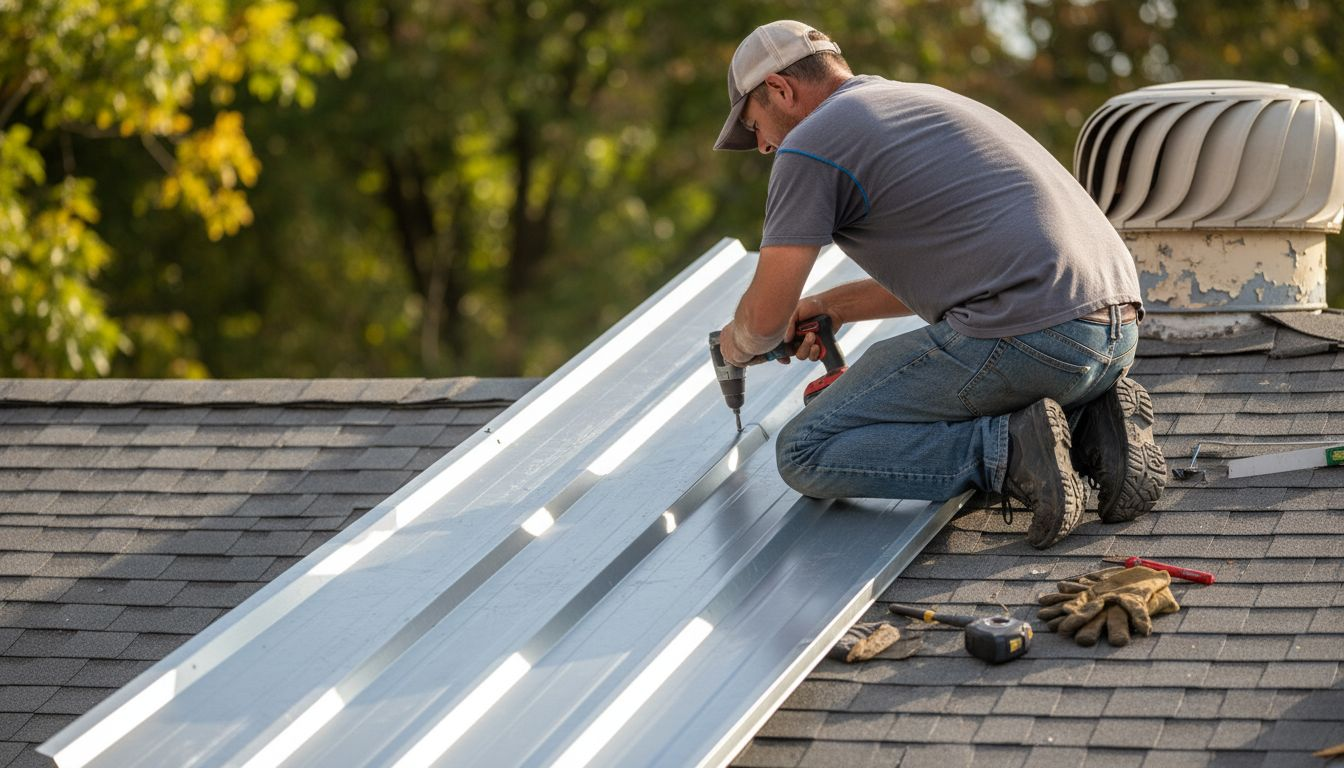
Geographic location determines how much you'll save through improved energy performance. Southern homeowners see the most dramatic cooling cost reductions, while northern climates benefit from reduced summer cooling bills and improved comfort without compromising winter insulation values.
Pro Tip: Consider light colored or coated metal roofing to maximize energy savings in hot climates where cooling costs dominate utility expenses.
Maintenance needs and practical considerations for homeowners
Roofing maintenance requirements directly affect your time investment and long-term costs beyond the initial installation. Metal roofs require minimal routine maintenance compared to other materials, typically needing only annual inspections and gutter cleaning. This low maintenance profile appeals to homeowners seeking hassle-free roofing that preserves appearance and performance with minimal intervention.
Asphalt shingles demand more frequent attention to prevent premature failure. Wind damage, thermal cycling, and moisture exposure create ongoing repair needs. Damaged shingles allow water infiltration that compromises underlayment and decking, escalating repair costs when caught late.
Installation quality determines whether you'll enjoy manufacturer specified lifespans or face premature maintenance issues. Poor fastening, inadequate flashing, and improper ventilation create problems that surface within years. The metal shingles durability and maintenance profile depends heavily on proper installation techniques that certified contractors master through specialized training.
Typical maintenance tasks vary significantly by material:
- Metal: clean gutters twice yearly, inspect fasteners and seams annually, remove debris accumulation, check for coating wear in harsh climates
- Asphalt: replace damaged or missing shingles promptly, remove moss and algae growth, seal small leaks, inspect flashing and valleys seasonally
- Tile: check for cracked or displaced tiles after storms, verify fastening integrity, clean debris from valleys, inspect underlayment at penetrations
- Slate: hire specialists for any repairs due to fragility and weight, inspect flashings annually, verify fastener integrity
Neglecting routine maintenance accelerates wear and often voids warranty coverage. The metal roof vs shingles cost and maintenance comparison reveals how maintenance expenses compound over decades, making low-maintenance materials increasingly cost-effective.
Common misconceptions about roofing materials
Several persistent myths mislead homeowners during roofing decisions, creating unrealistic expectations about material performance and value. Correcting these misconceptions helps you evaluate options based on facts rather than assumptions.
Myth: Asphalt shingles offer comparable durability to metal roofing. Reality shows metal roofs last two to three times longer, requiring fewer replacements over typical homeownership periods. This longevity advantage compounds when considering disposal costs and installation disruption for multiple asphalt replacements.
Myth: Energy-efficient roofs don't produce noticeable savings. Metal roofs can reduce cooling costs by 10-25% contrary to beliefs that efficient roofing produces negligible financial benefits. Over decades, these savings offset higher upfront costs while improving home comfort.
Myth: Roofing warranties guarantee unlimited protection regardless of maintenance. Warranties depend on proper installation and maintenance to provide valid long-term protection. Missing routine inspections or using uncertified contractors can void coverage, leaving you financially exposed.
Common misconceptions and clarifications:
- Misconception: All metal roofs are noisy during rain. Modern installation includes sound-dampening underlayment that eliminates noise concerns.
- Misconception: Metal roofing attracts lightning. Metal conducts electricity safely to ground if struck, but doesn't increase strike likelihood.
- Misconception: Warranties cover all roof damage. Coverage excludes acts of nature, improper maintenance, and installation defects from uncertified contractors.
- Misconception: Cheaper materials save money long-term. Total cost of ownership including replacements and maintenance often favors premium materials.
The roof warranty details page clarifies exactly what protection you receive and how to maintain coverage validity. Always review warranty terms carefully before finalizing your roofing investment to avoid expensive surprises.
Regional climate effects on roofing material performance
North American climate zones present vastly different challenges that affect which roofing materials perform optimally in your specific location. Coastal regions face salt air corrosion, inland areas battle extreme temperature swings, and northern climates contend with freeze-thaw cycles that stress roofing systems.
Aluminum and zinc roofs perform better in coastal salt air for corrosion resistance, while steel requires protective coatings inland. Coastal homeowners should prioritize aluminum or zinc-coated steel to prevent premature corrosion that compromises structural integrity. Galvanized steel with quality paint systems serves inland locations effectively where salt exposure isn't a concern.
Hail prone regions spanning the Great Plains through parts of the Southeast require impact-resistant materials rated for severe weather. Metal roofing naturally resists hail damage that would shatter tile or puncture asphalt shingles. Some insurance carriers offer premium discounts for impact-resistant roofing in high-risk areas.
Hot climates gain maximum benefit from reflective metal roofing that reduces cooling loads during extended summer periods. Desert and southern regions see the fastest return on investment through energy savings. Northern climates still benefit from summer cooling reductions while maintaining excellent winter insulation when properly installed.
| Climate Zone | Recommended Materials | Expected Lifespan | Key Considerations |
|---|---|---|---|
| Coastal Salt Air | Aluminum, zinc-coated steel | 50-70+ years | Corrosion resistance critical, frequent inspections |
| Hot & Dry | Reflective metal, tile | 40-70+ years | Solar reflectivity maximizes energy savings |
| Cold & Snowy | Steel metal, slate | 50-100+ years | Snow shedding, ice dam prevention |
| Humid Subtropical | Coated steel, synthetic | 40-60 years | Moisture resistance, ventilation essential |
| Hail Prone | Impact-rated metal | 40-70+ years | Insurance discounts available |
Climate influences maintenance frequency significantly. Humid regions require more frequent moss and algae removal, while arid climates allow longer intervals between cleanings. The regional roofing considerations guide helps match materials to your specific weather patterns for optimal performance.
Cost and value analysis: making an informed roofing investment
Upfront pricing tells only part of the financial story when evaluating roofing materials. Total cost of ownership including lifespan, maintenance, energy savings, and warranty coverage reveals which materials deliver genuine value over decades of service.
Metal roofs cost more upfront at $7 to $12 per square foot installed compared to asphalt shingles at $3 to $5 per square foot. However, metal roofs lasting 50 years versus asphalt at 20 years means you'll replace asphalt 2.5 times during the metal roof's lifespan. Those replacement costs plus disposal fees and installation disruption compound quickly.
Maintenance expenses favor metal roofing dramatically. Annual inspections cost $150 to $300 for any roof type, but asphalt requires frequent shingle replacements averaging $500 to $2,000 per repair cycle. Metal roofs avoid these recurring expenses beyond occasional fastener tightening and coating touch-ups in harsh climates.
Steps to evaluate roofing cost-effectiveness:
- Calculate initial cost by multiplying roof square footage by material and installation rates per square foot
- Estimate lifespan and replacement frequency based on manufacturer specifications and climate factors
- Factor in expected maintenance expenses including inspections, repairs, and cleaning over the full lifespan
- Project energy cost savings using utility rates and efficiency improvements specific to your climate zone
- Compare total lifetime cost by adding all expenses and dividing by years of service
Energy savings improve metal roofing's value proposition substantially. A 20% cooling cost reduction on a $1,500 annual cooling bill saves $300 yearly, totaling $15,000 over 50 years. These savings continue accumulating while asphalt roofs require multiple expensive replacements.
| Material | Cost per Sq Ft | Lifespan (Years) | Annual Maintenance | Cost per Year of Service |
|---|---|---|---|---|
| Metal | $7-$12 | 50-70 | $150-$300 | $140-$240 |
| Asphalt | $3-$5 | 15-25 | $300-$600 | $180-$330 |
| Tile | $8-$15 | 50-100 | $200-$400 | $160-$300 |
| Slate | $15-$30 | 75-200 | $250-$500 | $200-$400 |
The metal roof vs shingles cost comparison demonstrates how premium materials often cost less annually when properly evaluated. Warranty transferability adds resale value that budget materials lack.
Pro Tip: Factor in warranty coverage and transferability as part of ROI calculation since lifetime warranties increase home value and buyer confidence.
Warranties and long-term value in roofing choices
Warranty coverage provides financial protection and peace of mind when investing thousands in roofing systems. Understanding what warranties actually cover and how to maintain their validity protects your investment from unexpected expenses.
Premium metal roofs offer lifetime transferable warranties enhancing homeowner confidence over the entire roof lifespan. Transferability adds tangible resale value since buyers inherit warranty protection, making homes more attractive in competitive markets. Standard asphalt shingle warranties typically run 20 to 30 years with limited transferability.
Warranty coverage often requires certified installation by manufacturer-approved contractors. Using uncertified installers voids most manufacturer warranties, leaving only contractor workmanship guarantees that may prove difficult to enforce years later. This requirement protects manufacturers from installation defects while ensuring homeowners receive proper installation.
Manufacturer and installer certifications validate that contractors meet quality standards and follow proper installation procedures. Certified installers receive ongoing training about product updates and best practices that uncertified contractors miss. This expertise directly impacts your roof's performance and warranty validity.
Key warranty features homeowners should verify:
- Coverage period length and what triggers warranty expiration
- Transferability terms including any fees or restrictions for new owners
- Conditions for maintaining warranty validity such as inspection frequency and approved maintenance providers
- What damages or defects are covered versus excluded like storm damage, improper maintenance, or installation errors
- Prorated versus non-prorated coverage and how replacement costs are calculated
- Whether warranty covers materials only or includes labor for repairs
Regular maintenance and documentation protect warranty claims when issues arise. The roof warranty details specify exactly what maintenance you must perform and how often. Keep dated photos, inspection reports, and maintenance receipts organized for easy access if you need to file a claim.
Pro Tip: Keep maintenance records and inspection reports to protect warranty claims and demonstrate proper care if coverage questions arise years later.
Conclusion: choosing the right roofing material for your home
Selecting the optimal roofing material requires balancing durability, energy performance, maintenance capacity, and budget within your specific climate context. Metal roofing emerges as the superior choice for homeowners prioritizing longevity, energy efficiency, and minimal upkeep despite higher upfront costs.
Match roofing materials to your local climate vulnerabilities for maximum performance and lifespan. Coastal regions benefit from corrosion-resistant metals, while hot climates maximize value through reflective coatings. Consider total cost of ownership rather than initial price alone since premium materials often deliver lower annual costs through extended lifespans and reduced maintenance.
Warranties and installation quality serve as critical trust factors that protect your investment. Certified installers and lifetime transferable warranties provide financial security and increase home resale value.
Practical steps to finalize roofing selection:
- Assess your regional climate vulnerabilities including salt air, hail, heat, or freeze-thaw cycles
- Evaluate budget and lifespan priorities to determine if upfront savings or long-term value matters more
- Prioritize energy efficiency appropriate for your climate zone and cooling costs
- Plan for maintenance capabilities honestly based on time availability and physical ability
- Review warranty terms closely including transferability, coverage limits, and maintenance requirements
The comprehensive roofing guide provides detailed information to support your decision with confidence.
Explore Interlock metal roofing solutions for durable, energy-efficient homes
Applying the principles covered in this guide leads naturally to exploring professional metal roofing systems engineered for North American climates. Interlock metal roofing solutions deliver the durability, energy efficiency, and low maintenance discussed throughout this article, backed by lifetime transferable warranties that protect your investment.
Homeowners across North America reduce energy bills while eliminating recurring maintenance hassles through premium aluminum and steel roofing systems. Local metal roofing experts provide professional installation ensuring warranty protection and optimal performance for decades. The metal roof warranty details guarantee lasting peace of mind with comprehensive coverage you can transfer to future buyers.
Explore how Interlock's engineered metal roofing systems match your specific climate challenges and architectural preferences.
FAQ
What roofing material lasts the longest?
Slate roofs can last up to 200 years, but premium metal roofs typically last 40 to 70+ years with proper care and installation. Asphalt shingles have the shortest lifespan at approximately 15 to 30 years, requiring multiple replacements over typical homeownership periods.
How do roofing materials affect my home's energy bills?
Metal roofs reflect solar heat through high reflectivity and thermal emittance, reducing cooling costs by up to 25% in hot climates. Light colors and specialized coatings enhance this effect significantly compared to traditional asphalt shingles that absorb more heat. Energy savings compound over decades of roof service.
What maintenance should I expect for metal vs asphalt roofs?
Metal roofs require minimal routine maintenance including annual inspections and gutter cleaning with occasional fastener checks. Asphalt roofs need frequent repairs including shingle replacement, moss removal, and leak sealing to prevent water damage. The maintenance differences between metal and shingles significantly impact long-term costs and time investment.
How important is warranty when choosing a roofing material?
Warranties provide essential financial protection but depend on certified installation and regular maintenance to remain valid. Transferable warranties add substantial resale value and buyer confidence when selling your home. Always verify warranty terms including coverage limits, transferability conditions, and maintenance requirements before finalizing your roofing investment.
Recommended
You might also like
Oregon's Best Roof™ Blog