Metal roof lifespan explained: 40-70 years of durability
Metal roof lifespan explained: 40-70 years of durability
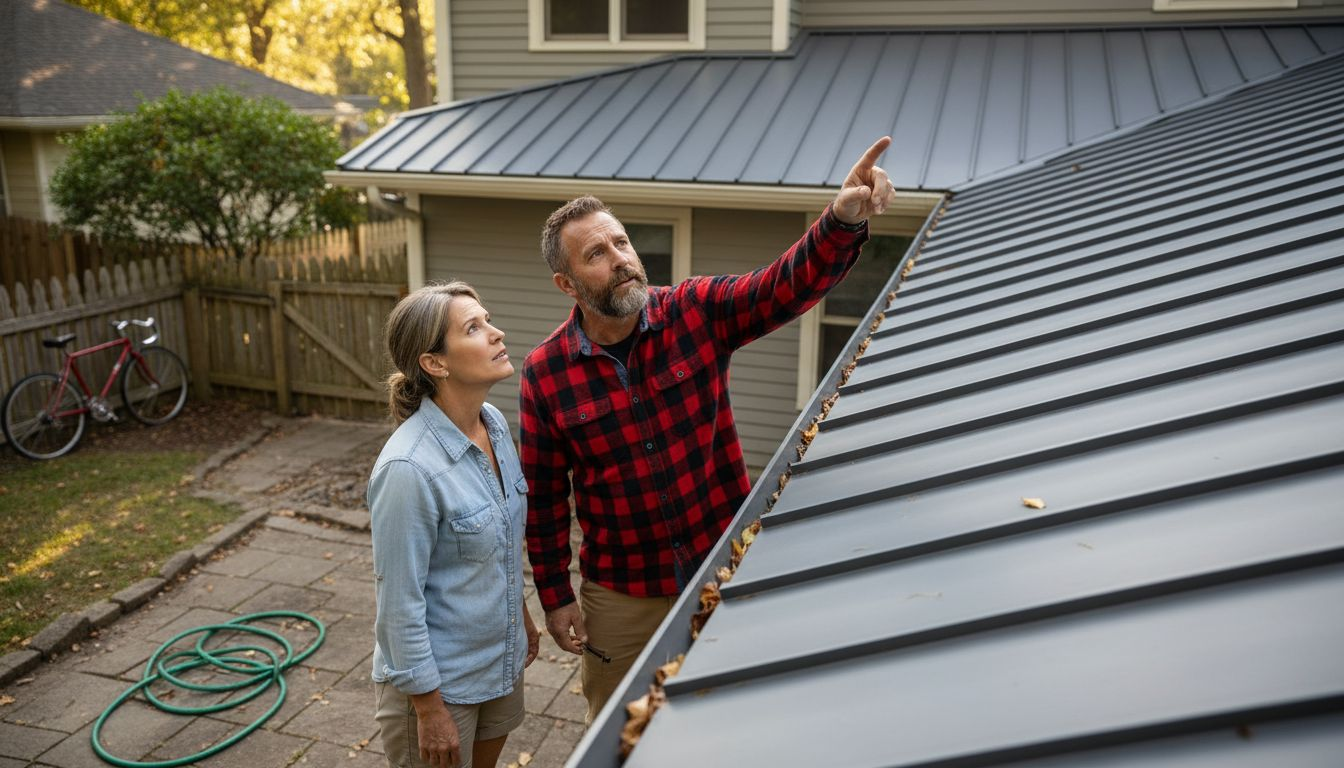
Metal roofs can last 40 to 70 years, far exceeding the typical 20-year lifespan of asphalt shingles. This durability makes metal roofing an attractive long-term investment for homeowners seeking to reduce replacement costs and maintenance hassles. Understanding what influences metal roof longevity helps you make informed decisions about materials, installation, and care. This guide clarifies lifespan expectations, debunks common myths, and explains how to maximize your roof's performance over decades.
Table of Contents
- Introduction To Metal Roof Lifespan
- Understanding Metal Roof Lifespan Ranges
- Environmental Influence On Metal Roof Lifespan
- Installation And Maintenance Impact
- Common Misconceptions About Metal Roof Durability
- Warranty As A Lifespan Indicator
- Case Studies Of Metal Roof Longevity
- Conclusion: Making An Informed Metal Roof Investment
- Explore Durable Metal Roofing Solutions With Interlock
- Frequently Asked Questions
Key takeaways
| Point | Details |
|---|---|
| Material matters | Aluminum roofs last 50-70 years while galvanized steel lasts 40-60 years depending on coatings and maintenance. |
| Environment impacts durability | Coastal salt exposure can reduce lifespan by up to 20% through accelerated corrosion. |
| Installation quality is critical | Poor installation can shorten lifespan by 30% or more due to moisture intrusion and mechanical failures. |
| Maintenance extends life | Regular cleaning and protective recoating every 15-20 years can add up to 15 years to roof lifespan. |
| Warranties reflect confidence | Lifetime transferable warranties demonstrate manufacturer trust in metal roof durability and long-term performance. |
Introduction to metal roof lifespan
Metal roofs represent one of the most durable roofing investments available to homeowners today. While asphalt shingles typically need replacement after 20 years, metal roofs last 40-70 years under normal conditions. This extended lifespan reduces long-term costs despite higher upfront investment.
Several factors determine exactly how long your metal roof will perform:
- Material type and grade
- Protective coating quality
- Installation precision
- Local climate conditions
- Maintenance frequency
Understanding these variables helps you set realistic expectations and make choices that maximize your investment. While you might pay more initially compared to traditional shingles, the decades of reliable protection offset this cost. Metal roofing eliminates the repeated replacement cycles that burden asphalt shingle owners.
Homeowners often underestimate metal roof durability because they lack exposure to these systems. Traditional materials dominate the market, leaving many unaware of modern metal roofing advances. Today's metal roofs combine engineering innovations with protective technologies that weren't available a generation ago.
Exploring different roofing materials reveals stark differences in longevity and maintenance needs. Metal stands out for its ability to withstand extreme weather while requiring minimal upkeep. The choice becomes clear when you factor in lifecycle costs rather than just initial price tags.
Pro Tip: Calculate total cost of ownership over 50 years rather than comparing upfront prices alone. Metal roofing often costs less per year than cheaper alternatives that require multiple replacements.
Understanding metal roof lifespan ranges
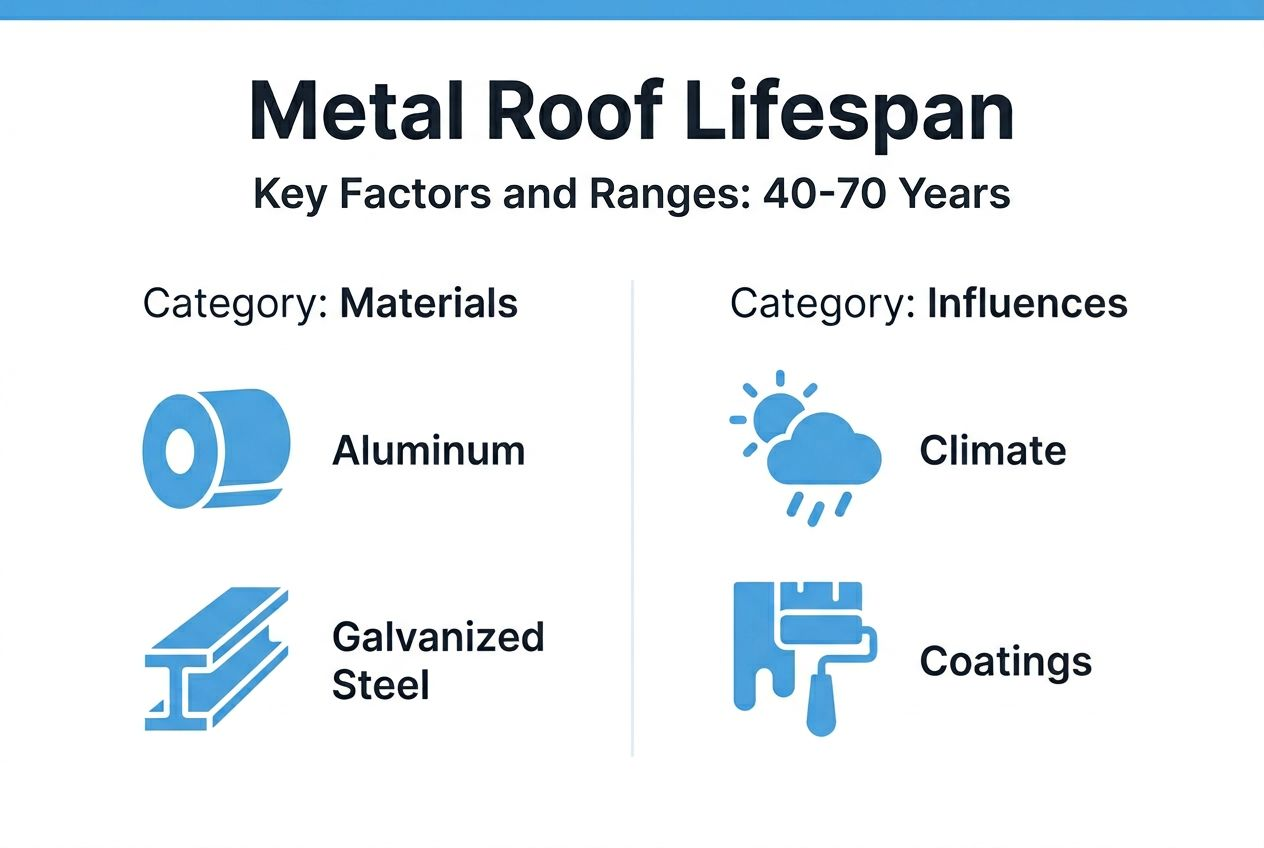
Different metals offer varying durability levels based on their inherent properties and protective treatments. Aluminum metal roofs last 50-70 years due to natural corrosion resistance, making them ideal for coastal and humid environments. Steel roofs deliver 40-60 years of service when properly coated and maintained.
The following table shows typical lifespan ranges by material:
| Metal Type | Average Lifespan | Coating Requirements | Best Applications |
|---|---|---|---|
| Aluminum | 50-70 years | Minimal, paint optional | Coastal, high humidity |
| Galvanized Steel | 40-60 years | Regular recoating needed | Inland, moderate climates |
| Galvalume Steel | 45-65 years | Periodic touch-ups | General residential use |
| Copper | 70+ years | Develops natural patina | Premium applications |
Coatings play a crucial role in extending metal roof life. Paint systems protect against UV degradation and weathering. Galvanization adds a zinc layer that sacrificially corrodes before the base metal. These treatments can add 10-20 years to roof lifespan when properly applied and maintained.
Your local environment should guide material selection. Coastal homeowners benefit from aluminum's superior salt resistance. Inland regions with moderate weather can use galvanized steel effectively. Extreme temperature swings favor metals with high thermal stability.
Interlock metal roofing systems combine premium materials with advanced coatings engineered for North American climates. These systems optimize durability through material science and manufacturing precision. Choosing quality products from the start prevents premature degradation.
Pro Tip: Match your metal type to local conditions rather than choosing based on price alone. The right material for your environment will outlast a cheaper option that corrodes quickly.
Understanding which roofing option suits your needs requires considering both material properties and environmental factors. This knowledge prevents costly mistakes and ensures your investment delivers expected returns.
Environmental influence on metal roof lifespan
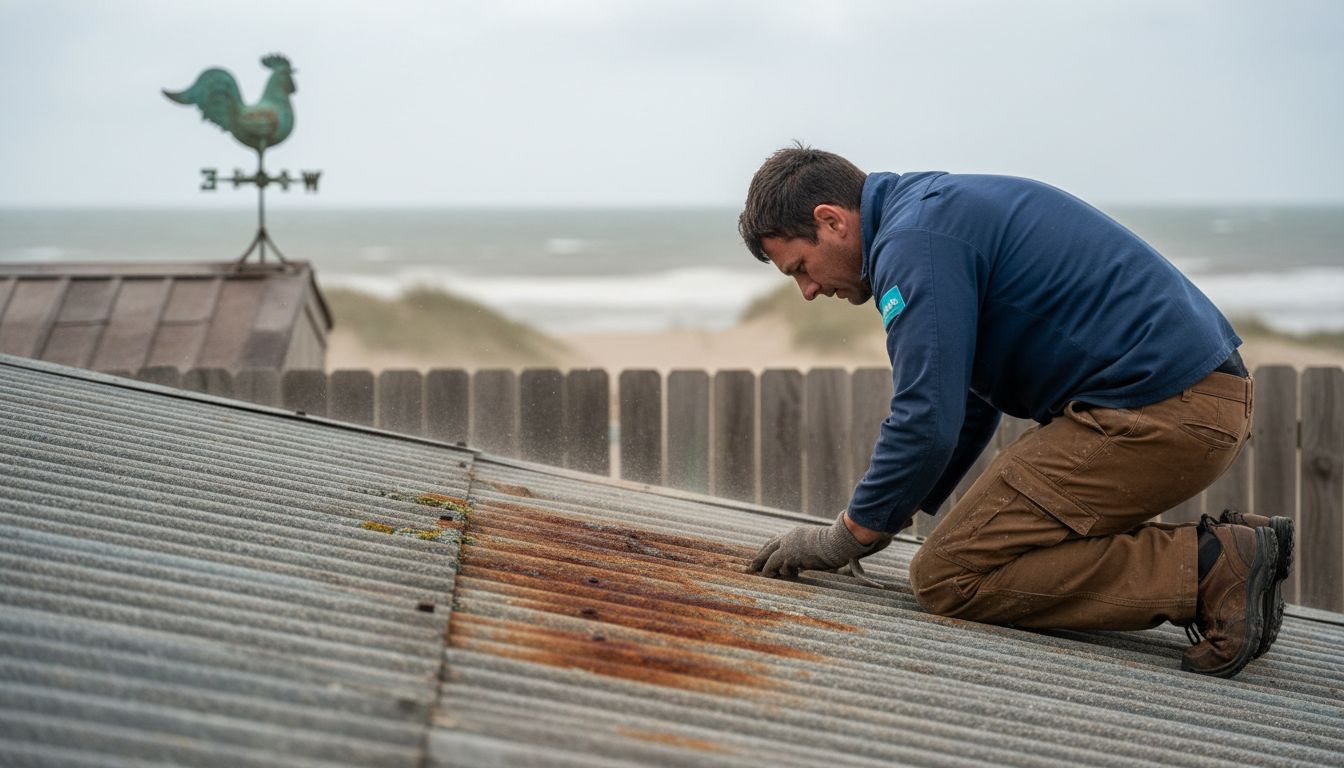
Climate and local conditions significantly impact how long metal roofs maintain their integrity. Coastal salt exposure accelerates corrosion, potentially reducing lifespan by up to 20% without proper protective measures. Homeowners in these areas need aluminum or specially coated steel products designed for marine environments.
Temperature extremes create expansion and contraction cycles that stress roofing materials over time. Metal's thermal reflectivity helps by reducing heat absorption, which minimizes these stresses while lowering cooling costs. This dual benefit makes metal particularly valuable in hot climates where dark asphalt shingles absorb excessive heat.
Key environmental factors affecting metal roof aging include:
- Salt spray concentration in coastal zones
- UV radiation intensity at your latitude
- Annual precipitation and humidity levels
- Frequency of freeze-thaw cycles
- Wind-driven debris and abrasion
Humidity promotes surface oxidation even on coated metals when moisture penetrates protective layers. Regular inspection catches these issues before they compromise structural integrity. Dry climates preserve metal roofs better, sometimes exceeding manufacturer lifespan estimates.
Temperature swings cause metal panels to expand and contract daily. Quality fastening systems accommodate this movement without loosening or creating leak points. Poor installation that restricts natural expansion leads to premature fastener failure and panel distortion.
UV exposure gradually degrades paint coatings, reducing their protective effectiveness. This process happens faster in high-altitude locations and southern latitudes where sunlight intensity peaks. Recoating restores protection before base metal becomes vulnerable.
Installation and maintenance impact
Installation quality directly determines whether your metal roof achieves its expected lifespan. Poor installation can reduce lifespan by 30% or more through moisture intrusion, mechanical damage, and premature component failure. Investing in professional installation protects your investment far better than saving money on inexperienced contractors.
Common installation errors that shorten roof life include:
- Improper fastener spacing and placement
- Inadequate underlayment or moisture barriers
- Incorrect panel overlap and sealing
- Insufficient ventilation causing condensation
- Mixed metal contact creating galvanic corrosion
Regular maintenance adds years to metal roof performance by addressing minor issues before they escalate. Cleaning debris prevents moisture accumulation that promotes corrosion. Inspecting fasteners and seals catches failures early when repairs cost little.
Essential maintenance practices for maximum lifespan:
- Annual inspection of panels, flashings, and fasteners
- Debris removal from valleys and gutters
- Touch-up coating on scratched or worn areas
- Fastener tightening or replacement as needed
- Protective recoating every 15-20 years
Recoating at recommended intervals can extend roof life by up to 15 years beyond original expectations. This preventive step costs far less than premature replacement. Schedule recoating when paint shows significant chalking or fading but before bare metal appears.
Proper installation by authorized professionals ensures adherence to manufacturer specifications required for warranty coverage. These installers understand product-specific requirements that generic roofers might miss. Warranty protection adds security to your long-term investment.
Pro Tip: Create a maintenance log documenting inspections, cleaning, and repairs. This record helps identify recurring issues and proves warranty compliance if claims become necessary.
Common misconceptions about metal roof durability
Many homeowners hesitate to choose metal roofing based on outdated information or misunderstandings about performance. Modern metal roofs bear little resemblance to the corrugated steel barns that shaped these misconceptions. Today's residential systems incorporate advanced materials and engineering that eliminate traditional concerns.
Myth: Metal roofs rust quickly and require constant maintenance.
Reality: Aluminum naturally resists corrosion without special treatment. Steel roofs use galvanized or galvalume coatings that prevent rust for decades. Paint systems add another protective layer. Properly installed metal roofs need less maintenance than asphalt shingles.
Myth: Rain and hail create unbearable noise on metal roofs.
Reality: Proper insulation and underlayment eliminate noise concerns in modern installations. The solid decking, insulation, and attic space between metal panels and living areas dampen sound effectively. Most homeowners report no noticeable difference from other roofing materials during storms.
Myth: Metal roofs don't last much longer than asphalt shingles.
Reality: Metal roofs last 40-70 years compared to asphalt's 20-year typical lifespan. This represents 2-3 times longer service life. Over a homeowner's lifetime, one metal roof replaces three or four asphalt installations, saving money and hassle.
Key facts that counter common misconceptions:
- Modern coatings prevent rust on steel for 40+ years
- Sound dampening makes metal quieter than many assume
- Lifespan exceeds traditional materials by decades
- Lightning doesn't strike metal roofs more often than other materials
- Metal roofs actually reduce cooling costs through reflectivity
Understanding these realities helps you evaluate metal roofing objectively rather than dismissing it based on myths. The technology has evolved dramatically, making today's metal roofs superior to older versions in every measurable way.
Warranty as a lifespan indicator
Manufacturer warranties provide concrete evidence of expected metal roof durability. Companies offering 50-year or lifetime coverage demonstrate confidence in their products' longevity. These guarantees protect your investment and signal quality you can trust.
Lifetime transferable warranties add value beyond personal protection. When you sell your home, the remaining warranty coverage transfers to new owners. This feature enhances resale value and makes your property more attractive to buyers seeking low-maintenance homes.
Interlock's warranty coverage includes both material and finish protection, addressing the two main durability concerns. Material warranties cover structural integrity and weatherproofing. Finish warranties protect against excessive fading, chalking, and peeling of coating systems.
Key warranty considerations:
- Coverage duration (limited vs. lifetime)
- Transferability to future homeowners
- Prorated vs. non-prorated terms
- Installation requirements for validity
- Maintenance obligations
Authorized professional installation maintains warranty validity and ensures proper application. Manufacturers void coverage when non-authorized contractors install their products because improper installation causes most premature failures. This requirement protects both you and the manufacturer.
Warranty limitations highlight areas where homeowner action affects longevity. Most exclude damage from neglect, improper maintenance, or environmental factors beyond normal weathering. Understanding these exclusions helps you maintain warranty compliance through appropriate care.
Reading warranty terms carefully reveals what protection you actually receive. Some warranties cover only material replacement, leaving you responsible for labor costs. Others include full replacement value including installation. These differences significantly impact your long-term financial protection.
Case studies of metal roof longevity
Real-world examples demonstrate metal roofing's durability across diverse North American climates. Homes throughout northern states have maintained metal roofs for 40+ years through harsh winters, heavy snow loads, and dramatic temperature swings. These installations prove that proper material selection and installation deliver on lifespan promises.
One homeowner in the Pacific Northwest installed an aluminum metal roof in 1982. Over 40 years later, the roof continues performing without leaks or structural issues. Annual inspections show minimal corrosion despite heavy rainfall averaging 150 inches per year. This example illustrates aluminum's exceptional resistance to moisture-driven degradation.
Midwestern installations face different challenges. Extreme temperature variations from -20°F winters to 100°F summers create severe expansion and contraction cycles. Metal roofs installed in the 1990s continue protecting homes throughout this region. Quality fastening systems that accommodate thermal movement prevent the failures that plague rigid materials.
Key takeaways from longevity studies:
- Proper material selection for local conditions enables multi-decade performance
- Professional installation prevents premature failures
- Regular maintenance catches minor issues before they escalate
- Quality products from reputable manufacturers deliver promised lifespans
Metal roofing in Washington state demonstrates exceptional performance in wet coastal climates. These installations withstand constant moisture exposure while maintaining structural integrity and appearance. Homeowners report minimal maintenance beyond periodic cleaning.
"Our metal roof has protected our home through 35 Pacific Northwest winters without a single leak. Meanwhile, our neighbors have replaced asphalt shingles twice in the same period. The peace of mind alone justifies the investment."
These examples provide confidence that metal roofing delivers real-world performance matching manufacturer claims. The investment pays dividends through decades of reliable protection and minimal maintenance requirements.
Conclusion: making an informed metal roof investment
Metal roofs offer 40-70 years of reliable protection when you choose appropriate materials, ensure professional installation, and maintain them properly. This exceptional durability transforms roofing from a recurring expense into a one-time investment that serves you for life.
Several factors determine whether you achieve maximum lifespan:
- Selecting metals and coatings suited to your climate
- Hiring authorized installers who follow manufacturer specifications
- Scheduling regular inspections and preventive maintenance
- Addressing minor issues before they compromise roof integrity
- Understanding warranty requirements and maintaining compliance
The higher upfront cost of metal roofing reflects superior materials and engineering. Over decades of service, this investment costs less per year than repeatedly replacing cheaper alternatives. You also avoid the disruption and hassle of multiple re-roofing projects.
Local environmental conditions should guide your material choice. Coastal homeowners benefit from aluminum's corrosion resistance. Inland regions with moderate weather can use galvanized steel effectively. Extreme climates favor premium metals with proven track records in similar conditions.
Warranty coverage provides security and signals manufacturer confidence in product longevity. Lifetime transferable warranties protect your investment and enhance home resale value. Review warranty terms carefully to understand coverage scope and maintenance requirements.
Regular professional inspections catch developing issues when repairs remain simple and inexpensive. Annual checkups cost little compared to major repairs from neglected problems. Documentation of maintenance activities supports warranty claims if they become necessary.
Pro Tip: Schedule your first professional inspection five years after installation to establish a baseline condition report. This documentation proves proper maintenance if warranty claims arise later.
Explore durable metal roofing solutions with Interlock®
Ready to invest in roofing that protects your home for decades? Interlock metal roofing systems combine premium materials with engineering designed for North American climates. Our aluminum and steel products deliver the durability and performance you need.
Choose from hail-resistant metal roofing and other specialized products engineered for your specific climate challenges. Every system includes protective coatings that maximize lifespan while maintaining appearance for decades. Our lifetime transferable warranty backs this commitment to quality.
Find authorized installers near you to ensure professional installation that meets manufacturer specifications. These trained professionals understand proper techniques that maximize roof performance and maintain warranty coverage. Get free estimates and expert guidance on selecting the right metal roofing system for your home's unique needs.
Frequently asked questions
How often should I maintain my metal roof?
Annual inspections catch potential issues early, while cleaning debris from valleys and gutters should happen twice yearly. Plan for protective recoating every 15-20 years to maintain coating integrity and extend overall lifespan.
Does climate significantly affect metal roof lifespan?
Yes, coastal salt exposure can reduce lifespan by up to 20% through accelerated corrosion. Extreme temperature swings, high UV exposure, and humidity all influence degradation rates. Selecting materials designed for your specific climate maximizes durability.
What do metal roof warranties typically cover?
Most quality warranties cover 50 years to lifetime for materials and 20-40 years for finishes. Coverage typically includes manufacturing defects, weatherproofing failure, and excessive coating degradation. Transferable warranties add resale value by protecting future homeowners.
Are metal roofs really noisy during rainstorms?
No, proper installation with adequate insulation and underlayment eliminates noise concerns. The solid decking, insulation layer, and attic space between panels and living areas dampen sound effectively. Most homeowners notice no difference from other roofing materials during storms.
How does metal roofing cost compare long-term?
While upfront costs run higher than asphalt shingles, metal roofs last 40-70 years versus 20 years for shingles. Over this period, you avoid 2-3 replacement cycles, saving money on materials and labor. Lower maintenance needs and energy savings add to long-term value.
Recommended
You might also like
Oregon's Best Roof™ Blog