Sustainable roofing installation guide for homeowners in 2026
Sustainable roofing installation guide for homeowners in 2026
Sustainable roofing installation guide for homeowners in 2026
Choosing a new roof often feels like a gamble between affordability and longevity. Many homeowners default to the cheapest or most familiar materials without understanding how sustainable options can deliver better value over decades. The truth is, sustainable roofing balances durability, energy efficiency, and environmental responsibility in ways that often outweigh initial costs. This guide will walk you through selecting, preparing for, and installing sustainable roofing that protects your home while reducing your environmental footprint. You'll learn which materials deliver the best lifecycle value and how proper installation ensures your investment pays off for years to come.
Table of Contents
Key takeaways
| Point | Details |
|---|---|
| Material selection matters | Sustainable roofing materials balance durability, energy efficiency, and environmental impact for long-term value. |
| Installation quality is critical | Proper installation maximizes roof lifespan and protects manufacturer warranties from being voided. |
| Metal roofs lead in sustainability | Metal roofing offers superior recyclability and longevity compared to traditional asphalt shingles. |
| Green and cool roofs cut costs | These systems reduce energy bills and manage stormwater runoff more effectively than conventional roofing. |
| Lifecycle costs matter most | Total ownership costs over decades, not just upfront price, determine the best roofing investment. |
Understanding sustainable roofing materials
Sustainable roofing starts with understanding your material options and their environmental profiles. Each material brings distinct advantages and tradeoffs in durability, cost, and ecological impact.
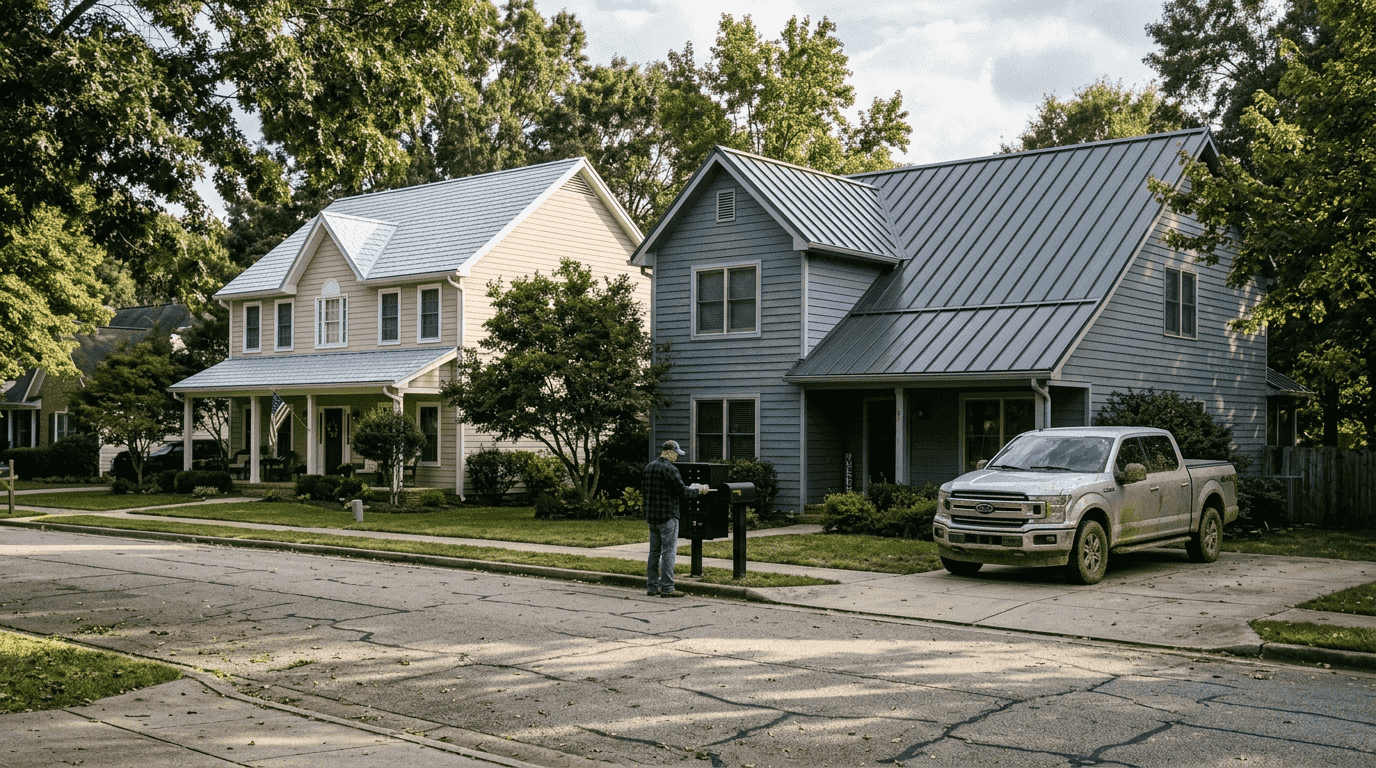
Asphalt shingles dominate North American roofs because they're affordable and familiar. However, less than 10% are recycled, sending millions of tons to landfills annually. They typically last 20 to 25 years before requiring replacement. Metal roofing stands in sharp contrast as the most recycled material in North America, with aluminum and steel roofs lasting 40 to 70 years. Wood shakes offer natural beauty but face challenges with mold, fire risk, and maintenance demands. Slate delivers exceptional longevity of 75 to 200 years but comes with high upfront costs and weight requirements. Flat roofing membranes like EPDM and TPO provide energy-efficient solutions for low-slope applications.
The environmental impact varies dramatically across materials. Metal roofing can contain up to 95% recycled content and remains fully recyclable at end of life. Asphalt shingles contribute heavily to construction waste, while wood shakes require ongoing chemical treatments that can leach into soil. Slate mining disrupts landscapes but the material itself is inert and incredibly durable.
Here's how common roofing materials compare across key sustainability factors:
| Material | Average Cost per Sq Ft | Lifespan (Years) | Recycling Rate | Best Climate |
|---|---|---|---|---|
| Asphalt Shingles | $3 to $5 | 20 to 25 | Under 10% | Moderate |
| Metal (Steel/Aluminum) | $7 to $12 | 40 to 70 | 85% to 95% | All climates |
| Wood Shakes | $6 to $9 | 25 to 30 | Minimal | Dry climates |
| Slate | $15 to $30 | 75 to 200 | Reusable | All climates |
| EPDM/TPO Membrane | $5 to $8 | 30 to 50 | 10% to 25% | Flat/low slope |
Pro Tip: Investing in metal roofing reduces long-term waste and often pays for itself through extended lifespan and energy savings, making it one of the smartest sustainable choices for most homeowners.
When evaluating materials, consider your local climate, roof pitch, and aesthetic preferences alongside sustainability goals. A roofing guide can help you understand which materials perform best in your region. The metal roof vs shingles cost comparison reveals that while metal costs more upfront, the total lifecycle expense often favors metal over asphalt. For deeper material insights, explore this sustainable roofing materials guide covering environmental certifications and performance data.
Preparing for sustainable roofing installation
Successful sustainable roofing starts long before the first shingle or panel goes up. Proper preparation protects your investment and ensures the installation delivers promised performance.
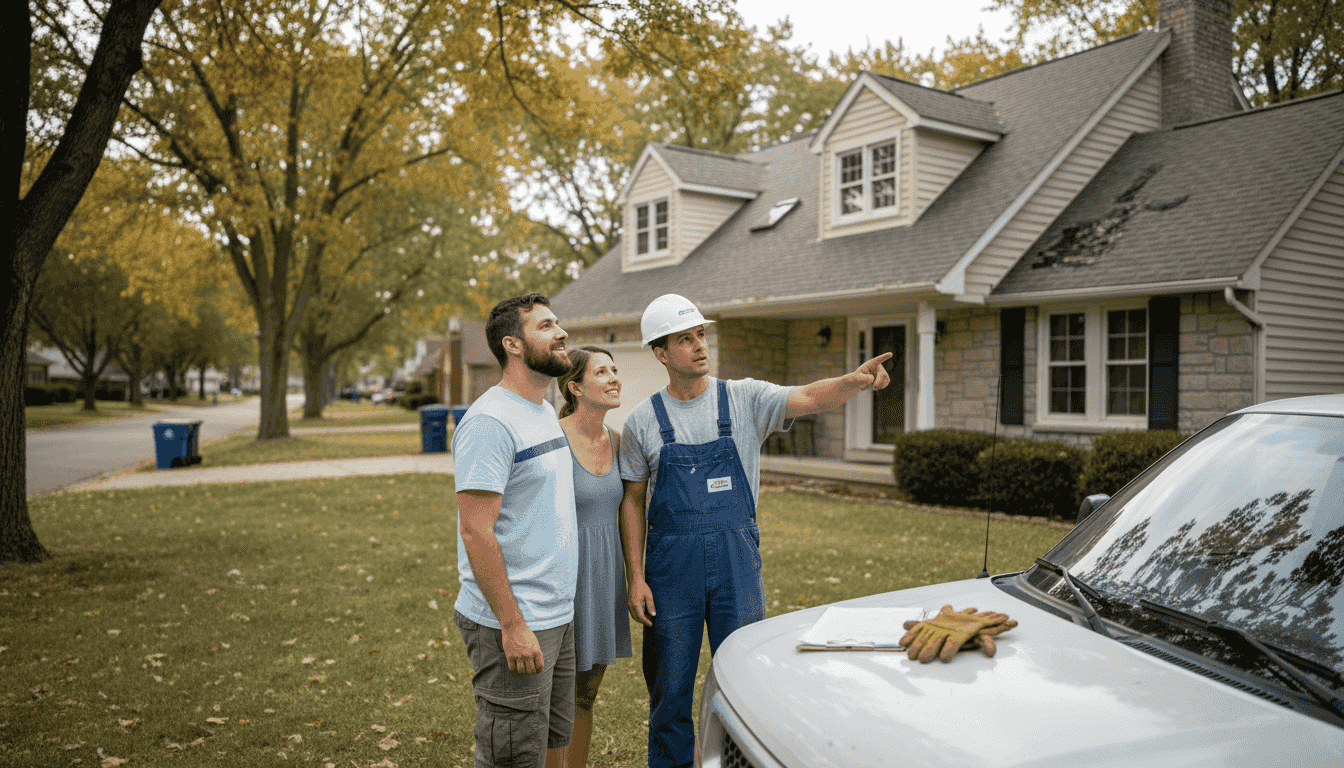
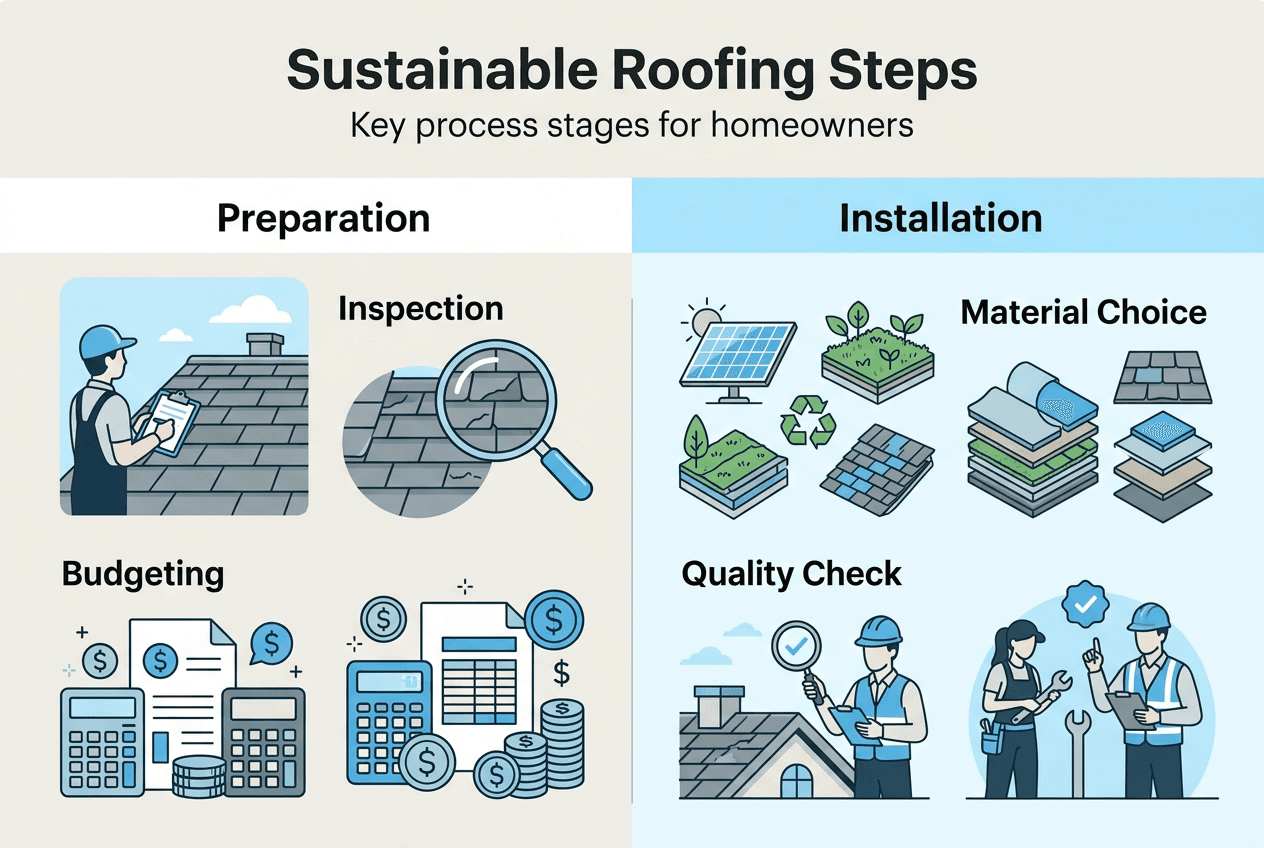
Start by assessing your current roof structure and condition. A professional inspection reveals whether your roof deck can support heavier materials like slate or metal without reinforcement. Check for rot, water damage, or structural issues that need correction before new roofing goes on. Ignoring underlying problems wastes your sustainable roofing investment.
Budgeting requires looking beyond material costs. Factor in installation labor, permits, disposal of old roofing, potential structural repairs, and long-term maintenance. Sustainable materials often cost more upfront but deliver savings through longevity and energy efficiency. Calculate total cost of ownership over 30 to 50 years, not just the initial invoice.
Material selection should align with both your climate and sustainability priorities. Metal roofing excels in areas with severe weather, high winds, or heavy snow. Cool roofing materials with reflective coatings work best in hot climates to reduce cooling costs. Green roofs suit urban areas where stormwater management and insulation matter most. Match your choice to local conditions for maximum performance.
Hiring the right contractor makes or breaks your project. Proper installation is crucial for longevity and to avoid voiding warranties. Look for contractors certified in sustainable roofing installation who understand the specific requirements of your chosen material. Verify their credentials, insurance, and references before signing any contract.
Key preparation steps include:
- Schedule a professional roof inspection to identify structural issues
- Obtain multiple detailed estimates from certified sustainable roofing contractors
- Research local building codes and permit requirements for your roofing project
- Plan for proper disposal or recycling of existing roofing materials
- Verify contractor credentials, licenses, and manufacturer certifications
- Review warranty terms and understand what actions might void coverage
Pro Tip: Get at least three estimates and verify installer credentials upfront to avoid costly mistakes, delays, and warranty issues that plague poorly planned roofing projects.
Understanding the proper roof installation importance helps you ask the right questions during contractor interviews. Don't rush this phase. Thorough preparation prevents expensive corrections later and ensures your sustainable roof performs as designed for decades.
Step-by-step sustainable roofing installation process
Once preparation is complete, the installation follows a systematic process designed to maximize performance and longevity. Understanding these steps helps you oversee the project and ensure quality work.
-
Remove old roofing material responsibly by separating recyclable components from waste. Metal, slate, and some membranes can often be recycled rather than sent to landfills. Proper disposal protects the environment and may reduce project costs.
-
Inspect and repair the roof deck for structural integrity before new materials go on. Replace damaged plywood or boards, fix any rot, and ensure the surface is clean, dry, and level. A compromised deck undermines even the best roofing materials.
-
Install appropriate underlayment and insulation for energy efficiency and moisture protection. Modern synthetic underlayments outperform traditional felt in durability and water resistance. Add insulation during this phase to boost energy performance.
-
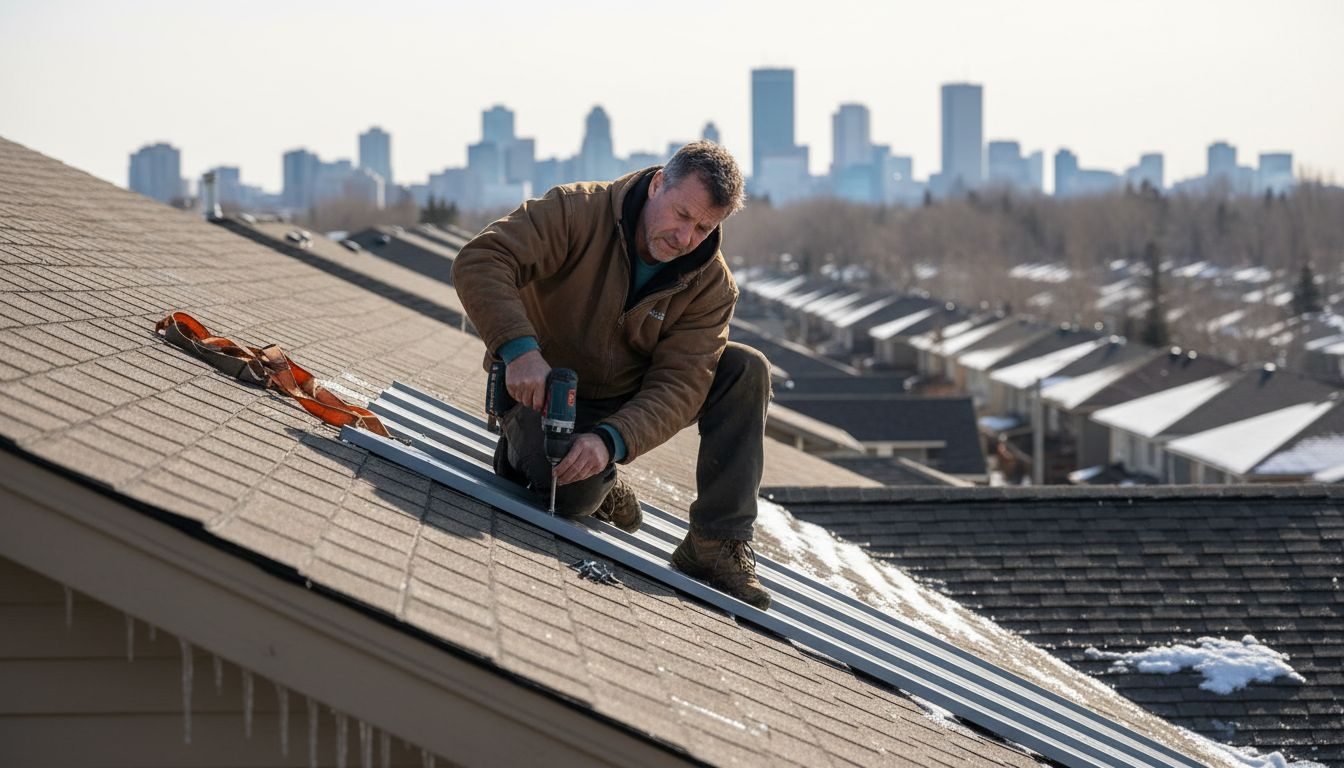
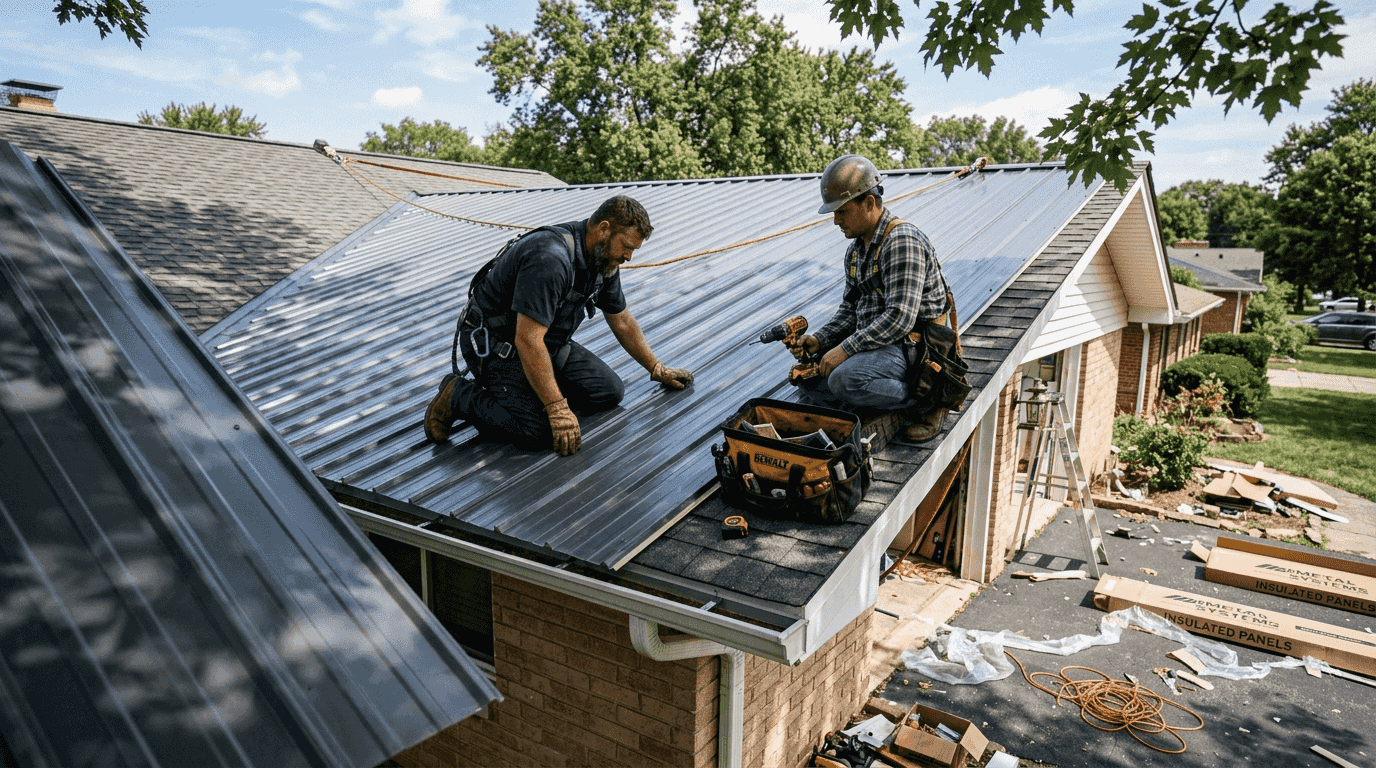
Lay roofing material following manufacturer specifications and sustainability best practices. Metal panels require precise alignment and proper fastening. Shingles need correct overlap and nailing patterns. Green roof systems demand careful layering of waterproofing, drainage, growing medium, and vegetation.
-
Apply reflective coatings or install green roof elements where applicable to enhance energy efficiency. Sustainable flat roofs can reduce energy use by up to 20% through proper material selection and installation techniques. Cool roofing coatings reflect solar heat rather than absorbing it.
-
Perform final inspections to verify adherence to installation standards, building codes, and manufacturer requirements. Check flashing, seals, fasteners, and drainage. Document the installation for warranty purposes.
Here's a summary of the installation process:
| Step | Key Materials/Actions | Approximate Timeline |
|---|---|---|
| Remove old roof | Disposal containers, recycling sorting | 1 to 2 days |
| Inspect/repair deck | Plywood, lumber, fasteners | 1 to 3 days |
| Install underlayment | Synthetic underlayment, insulation, tape | 1 to 2 days |
| Lay roofing material | Metal panels, shingles, membranes, fasteners | 3 to 7 days |
| Apply coatings/green elements | Reflective coatings, growing medium, plants | 1 to 3 days |
| Final inspection | Documentation, testing, cleanup | 1 day |
Pro Tip: Scheduling installation in mild weather improves material curing, worker safety, and overall installation quality, leading to better long-term performance.
The cool roofing benefits become apparent during installation when you see how reflective materials and proper ventilation work together. For flat roof applications, review sustainable flat roofing techniques that combine energy efficiency with stormwater management. Quality installation transforms good materials into exceptional roofing systems that deliver decades of reliable performance.
Verifying and maintaining your sustainable roof
Installation completion isn't the finish line. Verification and ongoing maintenance determine whether your sustainable roof delivers its full potential over decades.
Post-installation inspection confirms material integrity and installation quality. Walk the roof with your contractor to check fastener placement, flashing details, and seam alignment. Look for gaps, misaligned panels, or improper overlaps. Test drainage by running water through gutters and downspouts. Document everything with photos for warranty records.
Maintenance requirements vary significantly by material:
| Roof Type | Annual Maintenance | Typical Lifespan | Key Maintenance Tasks |
|---|---|---|---|
| Metal | Minimal | 40 to 70 years | Inspect fasteners, clean debris, check flashing |
| Green Roof | Moderate to High | 30 to 50 years | Weed, fertilize, irrigate, check waterproofing |
| Asphalt Shingles | Low to Moderate | 20 to 25 years | Replace damaged shingles, clean gutters, remove moss |
| Flat Membrane | Moderate | 30 to 50 years | Inspect seams, clear drains, repair punctures |
Seasonal maintenance keeps your roof performing optimally. Spring inspections catch winter damage early. Clean gutters in fall before leaves clog drainage. Summer heat checks reveal coating degradation or thermal expansion issues. Winter snow removal prevents ice dams and excess weight on flat roofs. Green roofs need vegetation care including weeding, fertilizing, and irrigation during growing seasons.
Maximizing energy efficiency requires maintaining reflective surfaces and insulation integrity. Dirt and debris reduce cool roof effectiveness. Clean reflective coatings annually to maintain their solar reflectance. Check attic insulation for compression or moisture damage that reduces R-value. Ensure ventilation systems remain unobstructed.
Watch for these warning signs requiring professional attention:
- Water stains on ceilings or walls indicating leaks
- Missing, cracked, or curling shingles or panels
- Granule loss on asphalt shingles appearing as bare spots
- Rust spots or corrosion on metal roofing
- Ponding water on flat roofs lasting more than 48 hours
- Loose or damaged flashing around chimneys and vents
- Sagging roof deck or visible structural deformation
Green roofs absorb 35% to 60% of rainfall, dramatically reducing stormwater runoff when properly maintained. This benefit disappears if drainage layers clog or vegetation dies from neglect.
Common mistakes that shorten roof life include pressure washing metal roofs (which damages coatings), walking on roofs during extreme heat or cold, ignoring small leaks until they become major problems, and using incompatible sealants or fasteners during repairs.
The efficient roofing practices you implement during maintenance directly impact your roof's lifespan and performance. Learn more about green roof benefits to understand how proper care maximizes both environmental and financial returns. Regular professional inspections every three to five years catch problems before they require expensive repairs, protecting your sustainable roofing investment for decades.
Explore energy-efficient metal roofing with Interlock®
If you're ready to invest in sustainable roofing that delivers exceptional durability and energy performance, Interlock® metal roofing systems offer a proven solution. Our aluminum and steel roofing products combine the recyclability and longevity that make metal the most sustainable roofing choice with architectural designs that enhance your home's curb appeal.
Interlock® roofs are engineered to withstand harsh North American climates while providing superior energy efficiency through reflective coatings and proper ventilation. Our lifetime transferable warranty backs every installation, giving you confidence in your investment. Explore Interlock metal roofing options that align with your sustainability goals and aesthetic preferences. Find local metal roof installers in your area who are certified to install Interlock® systems. Discover more efficient roofing solutions that reduce your environmental footprint while protecting your home for generations.
FAQ
What is the most sustainable roofing material?
Metal roofing is widely considered the most sustainable option due to its high recyclability and exceptional longevity of 40 to 70 years. Steel and aluminum roofs can contain up to 95% recycled content and remain fully recyclable at end of life. Green roofs offer unique environmental benefits like stormwater management and urban heat reduction, but their sustainability varies based on climate suitability and maintenance commitment.
How long does a sustainable roof typically last?
Lifespan varies significantly by material and installation quality. Metal roofs last 40 to 70 years, EPDM membranes up to 50 years, asphalt shingles 20 to 25 years, and slate an impressive 75 to 200 years. Proper installation and regular maintenance are critical factors that determine whether roofs reach their expected lifespan. Choosing durable materials and certified installers protects your investment.
Can installing a sustainable roof reduce my energy bills?
Yes, sustainable roofing materials can significantly reduce energy costs. Cool roofs with reflective coatings can cut cooling expenses by up to 20% by reflecting solar heat rather than absorbing it. Metal roof energy efficiency comes from both reflective surfaces and effective ventilation systems. Proper insulation during installation amplifies these savings by reducing heat transfer in both summer and winter.
How important is professional installation for sustainable roofing?
Professional installation is absolutely critical for sustainable roofing performance and longevity. Improper installation can void manufacturer warranties, create leaks, and dramatically shorten roof lifespan regardless of material quality. The importance of professional roof installation cannot be overstated, as certified installers understand material-specific requirements and building codes. DIY installation risks premature failure and expensive corrections that often cost more than hiring qualified professionals from the start.
Recommended
You might also like
Oregon's Best Roof™ Blog